








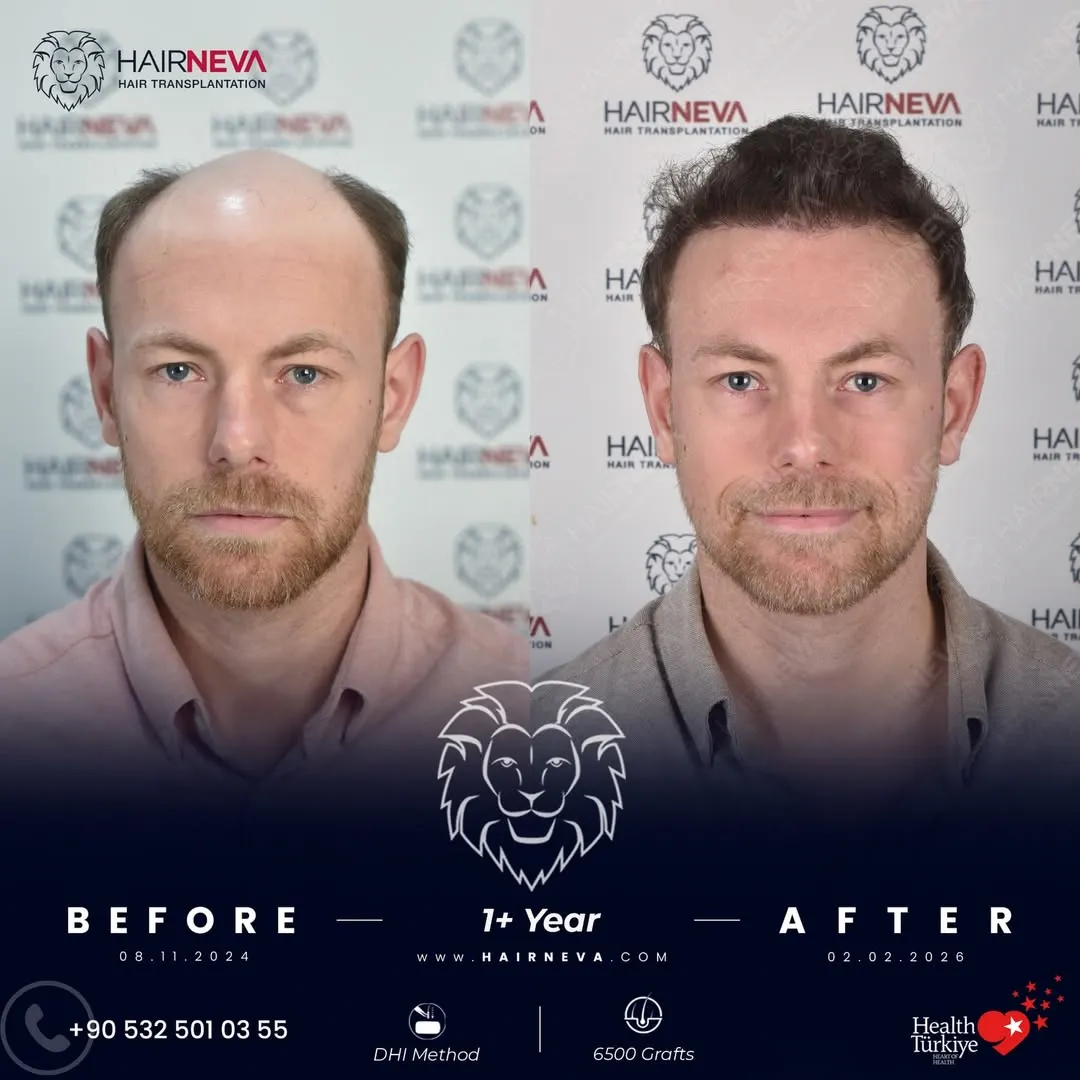
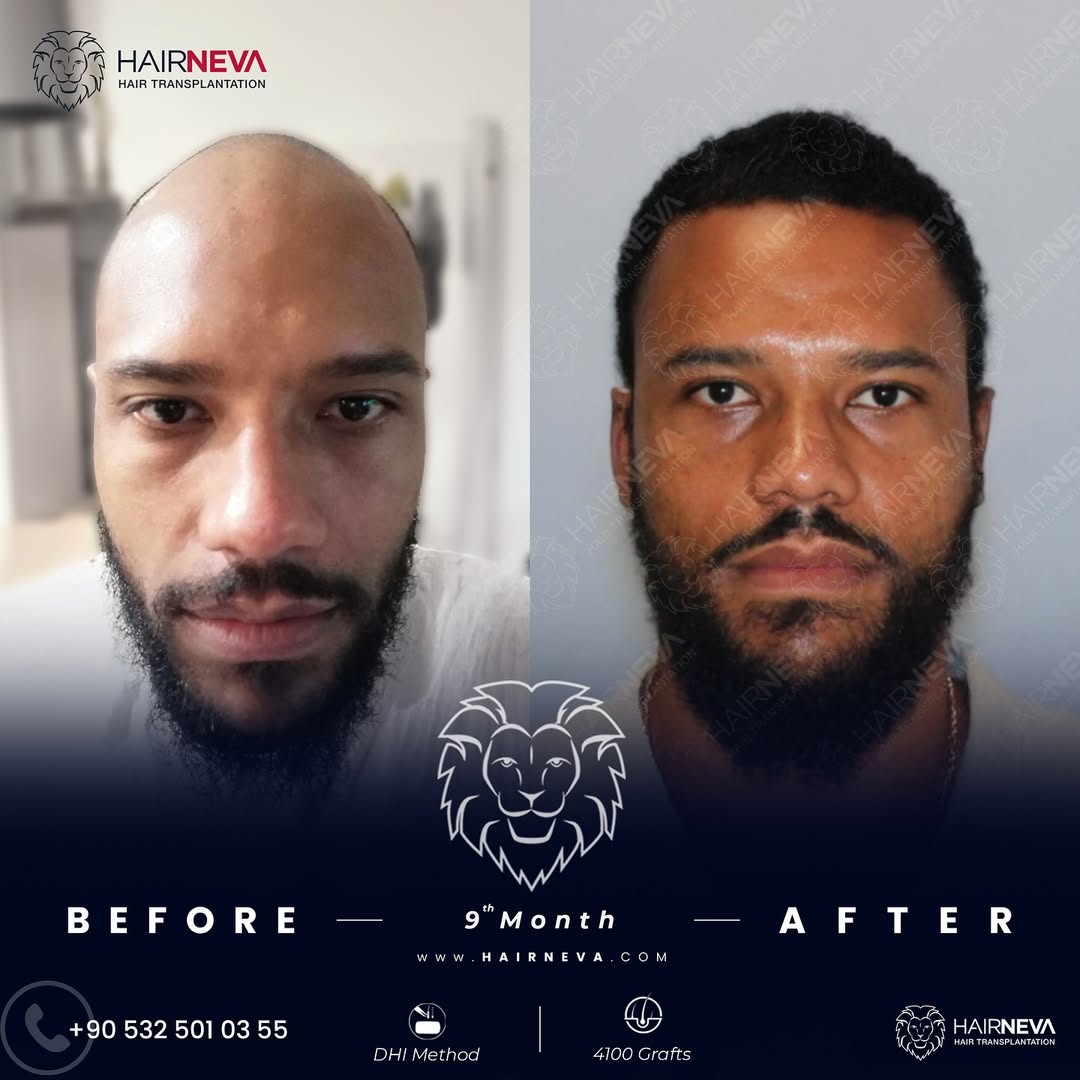
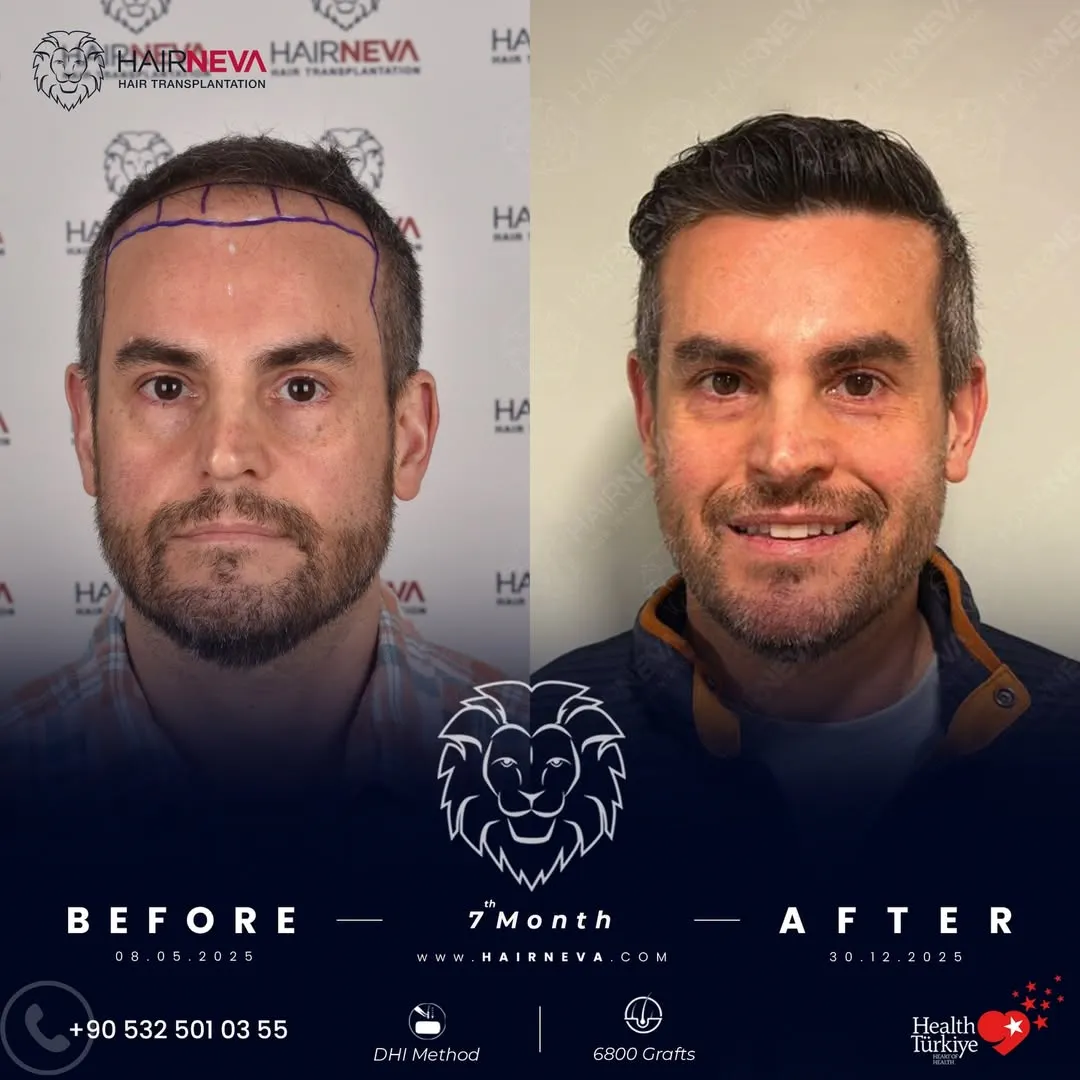
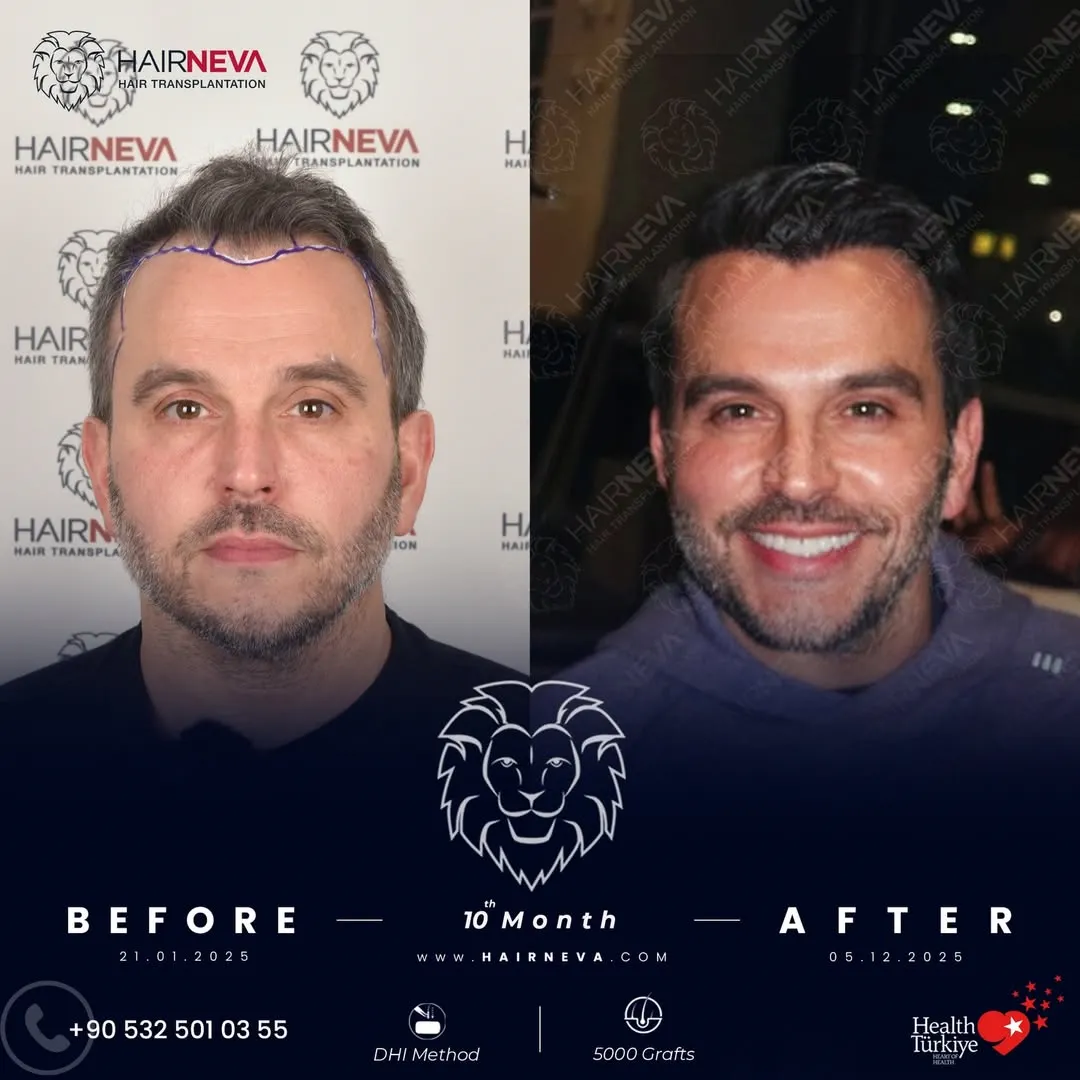






Is Turkey Good For Hair Transplant?
Choosing a hair transplant Turkey can be an excellent option when you balance cost savings with careful clinic selection.
Reasons For Choosing Hair Transplant Turkey
Competitive Pricing
Package deals typically cost 40–60 % less than Western European clinics, yet include hotel, transfers and after-care products. This “hair transplant Turkey” affordability attracts thousands of medical tourists each month.
High Surgical Volume And Refined Techniques
Surgeons in Istanbul alone perform hundreds of FUE and DHI procedures weekly. The constant caseload sharpens technical skill and speeds team workflow, which can shorten surgery times and improve graft survival.
English-language Support And Travel Ease
Most leading clinics offer English documentation, on-call translators and VIP airport shuttles, reducing logistical stress for international patients.
What Happens On Hair Transplant Day?
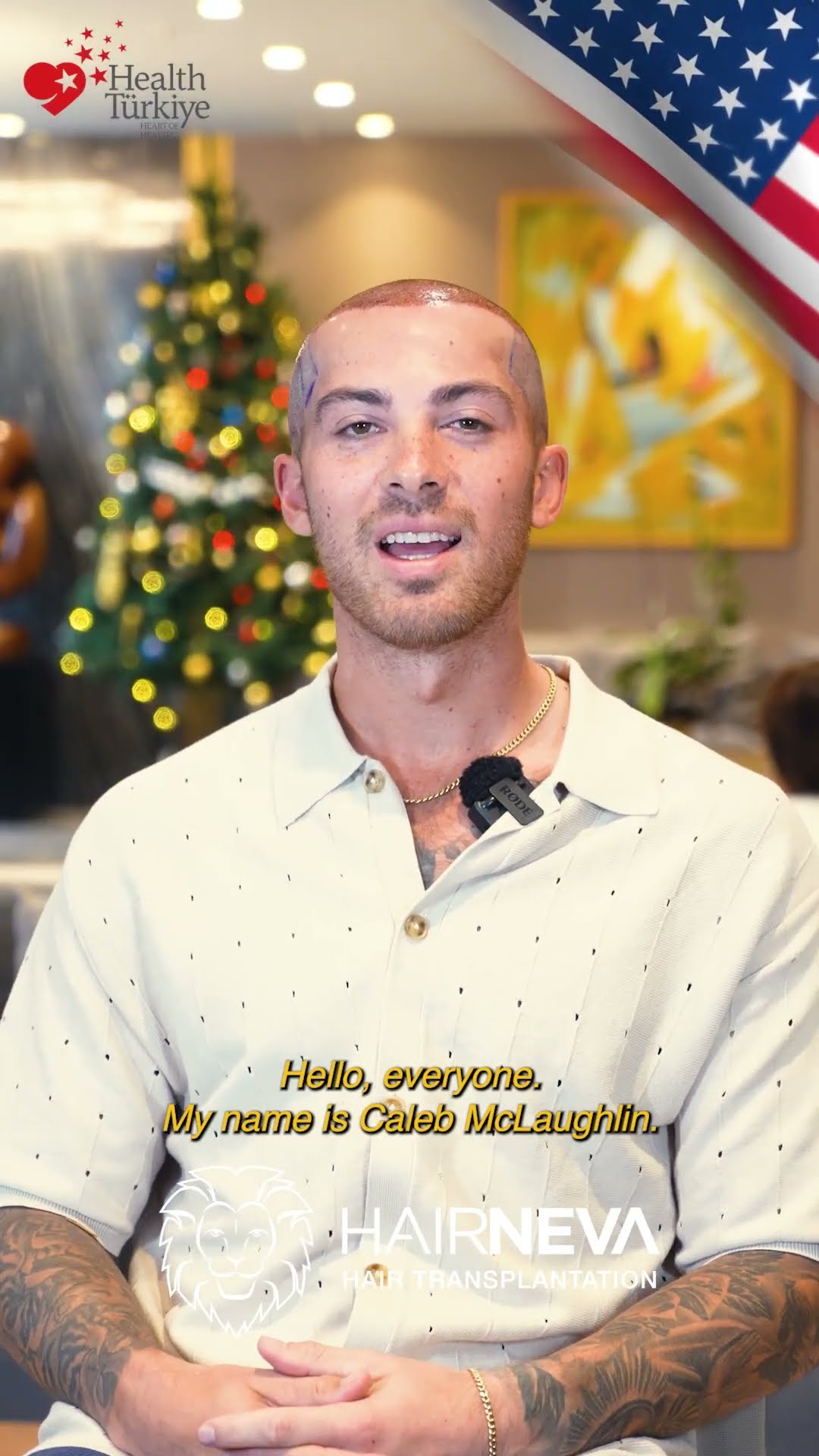
Most procedures are performed with local anesthesia and optional sedation. The day typically includes hairline design, numbing, harvesting grafts, preparing recipient sites, and implantation. Cleveland Clinic describes that patients are usually awake while the scalp is numbed, and that the procedure can take several hours.
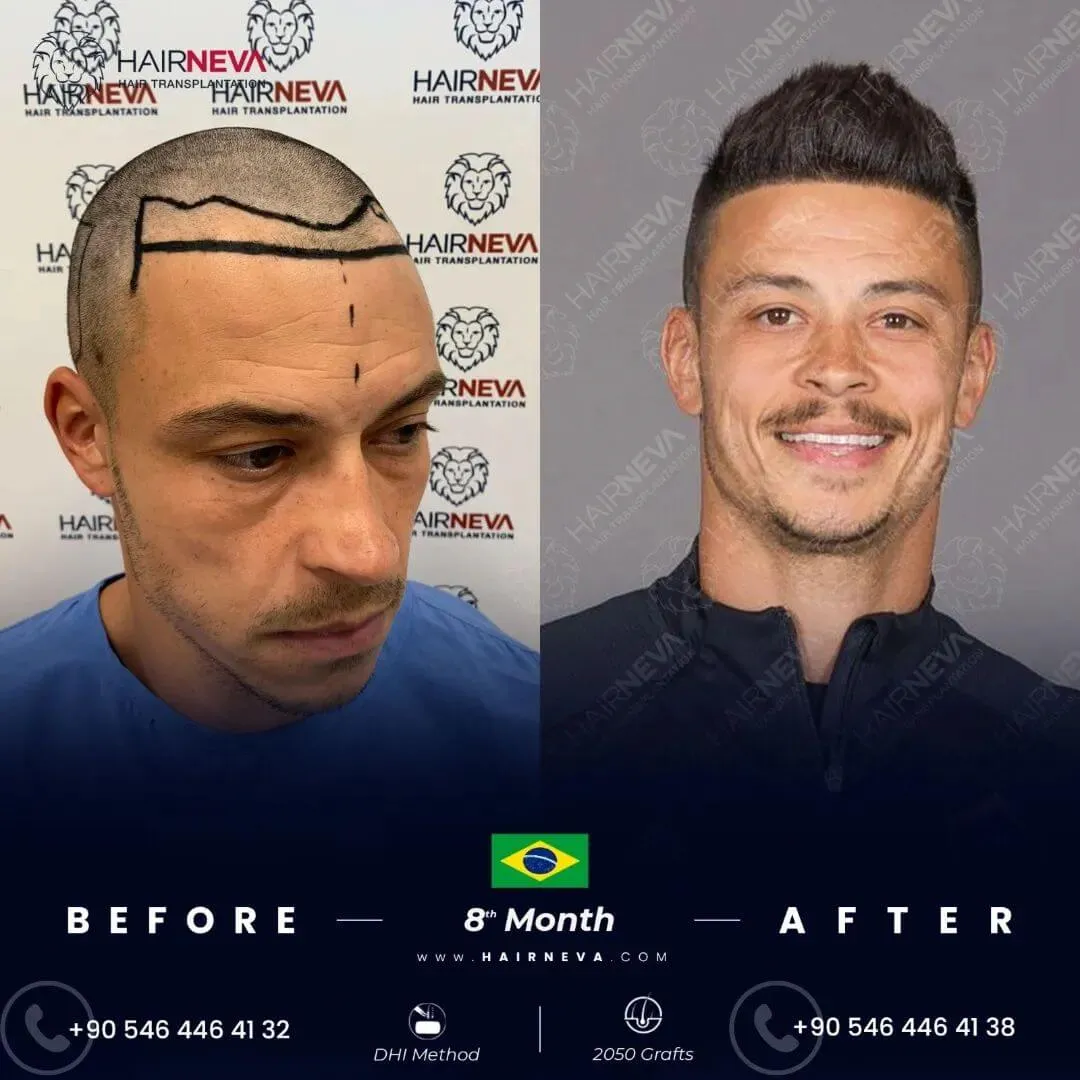
The most underestimated part is hairline planning. A natural hairline is rarely a perfectly straight line; it’s built with micro-irregularities, softer corners, and the right density gradient. An “Instagram hairline” can look sharp on day one but artificial in real life—especially when hair is wet or under bright light. Experienced teams also plan around future loss, not just today’s thinning pattern, so the result still makes sense years later.
Recovery
Hair transplant recovery is usually more about patience and routine than pain. In the first days, mild swelling, redness, crusting, and itching can happen. Cleveland Clinic lists common temporary side effects like scabs, itching, swelling, tightness, and discomfort at donor and recipient sites.
People often worry when they see scabs or when the transplanted hairs start shedding. But shedding is commonly part of the normal cycle after transplantation. Cleveland Clinic notes that in most cases, hairs fall out of the grafts after transplant and don’t regrow for approximately three months.
Aftercare instructions vary by clinic, but the principles tend to be consistent: keep the scalp clean, avoid friction and heavy sweating early on, protect the area from sun, and follow your surgeon’s washing schedule. If you’re someone who trains hard, the “hard part” is usually pausing intense workouts for a short period so grafts can settle and swelling can calm down.
When Will I See Results After A Hair Transplant?
- First 1–2 weeks: scabbing and visible healing; redness may linger longer in some skin types.
- Weeks 2–8: many transplanted hairs shed (often called shock shedding); this is usually expected.
- Around month 3: early regrowth typically begins; don’t judge density too soon.
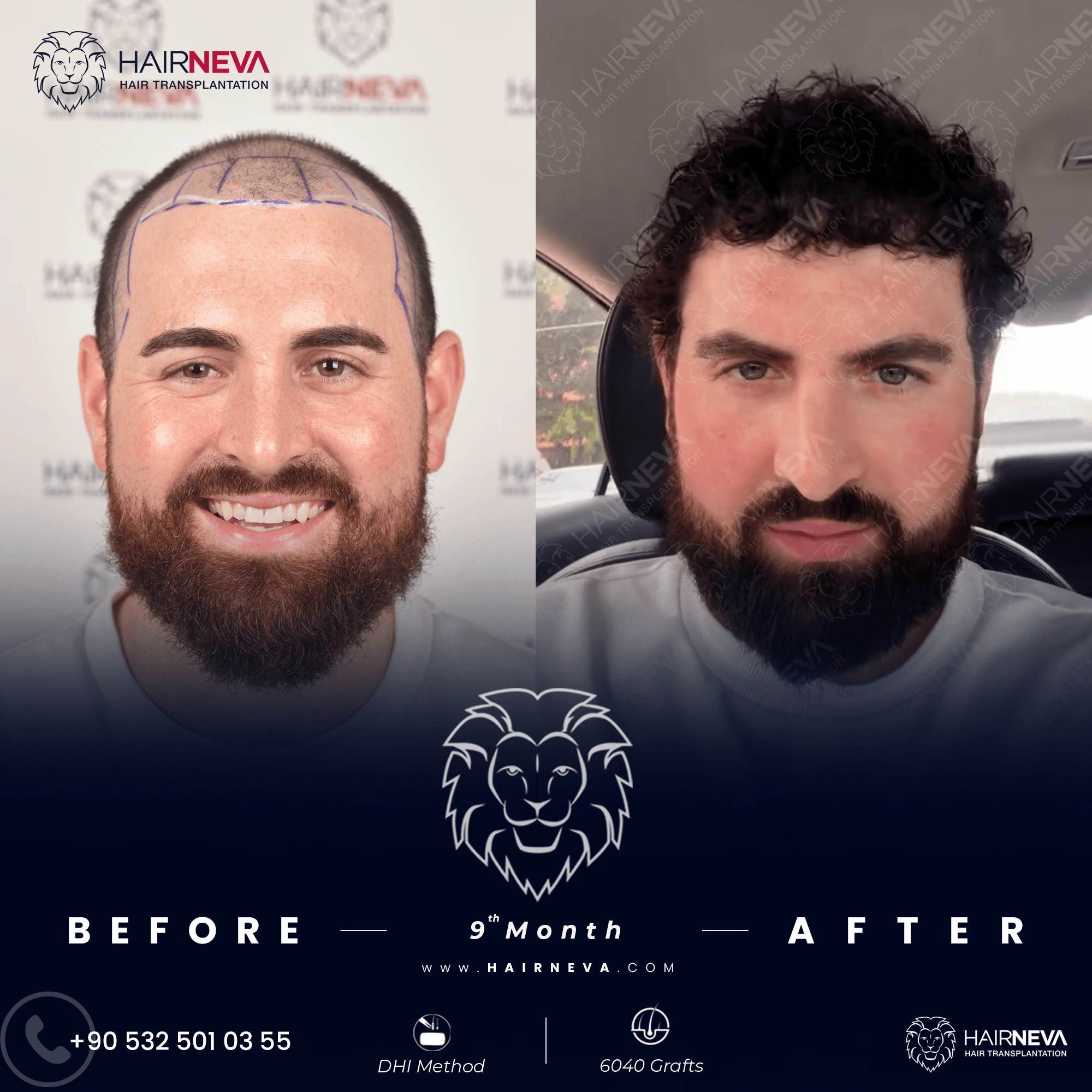
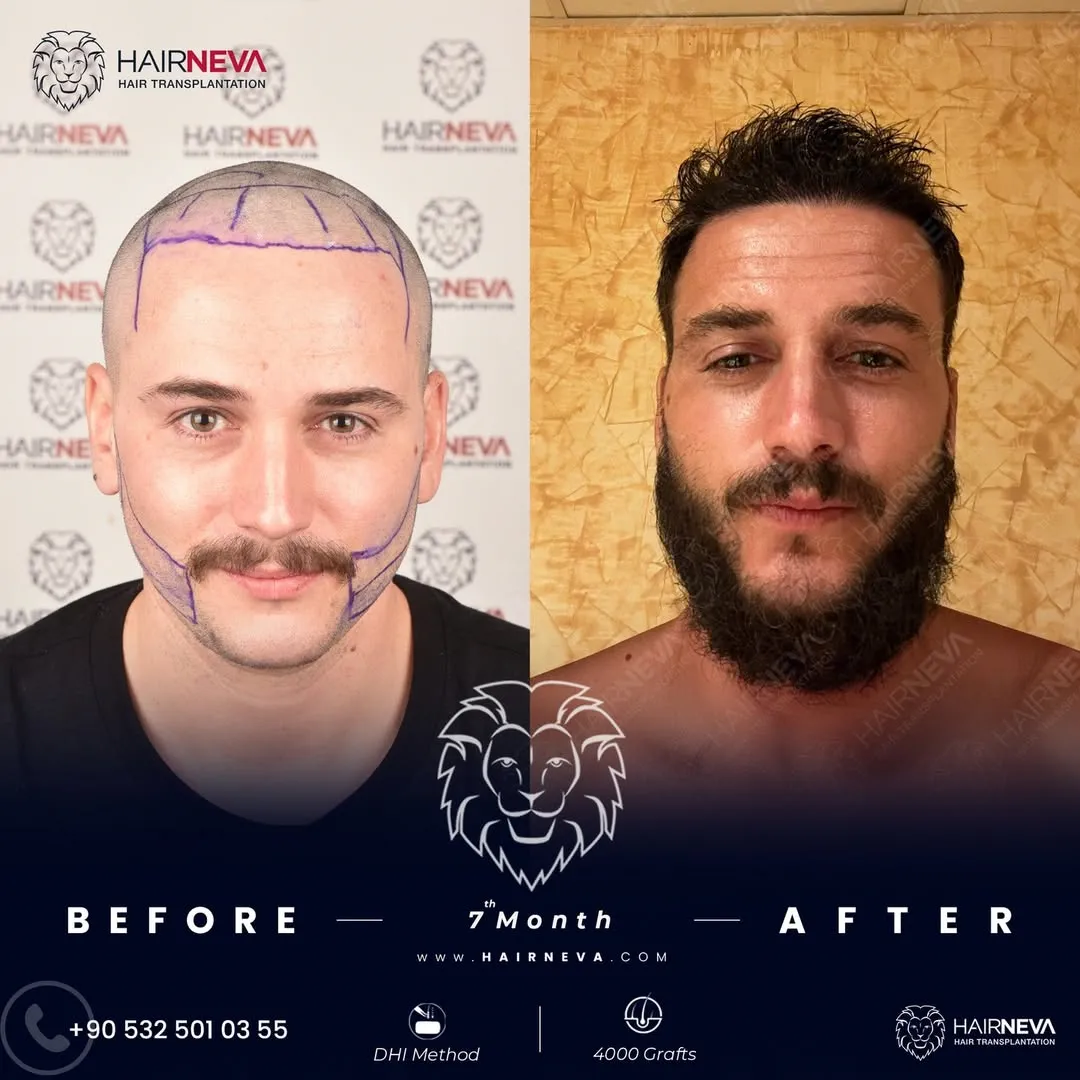
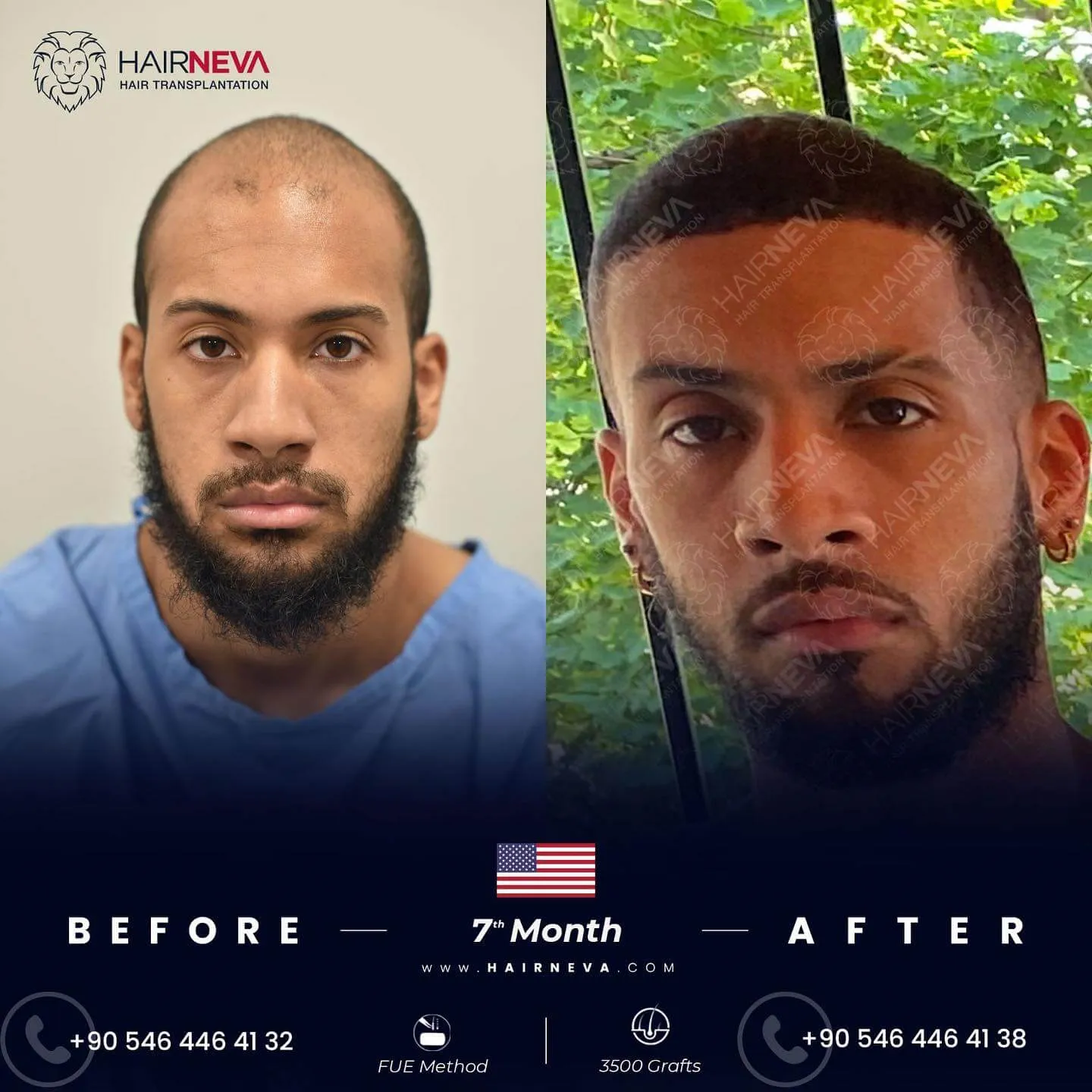
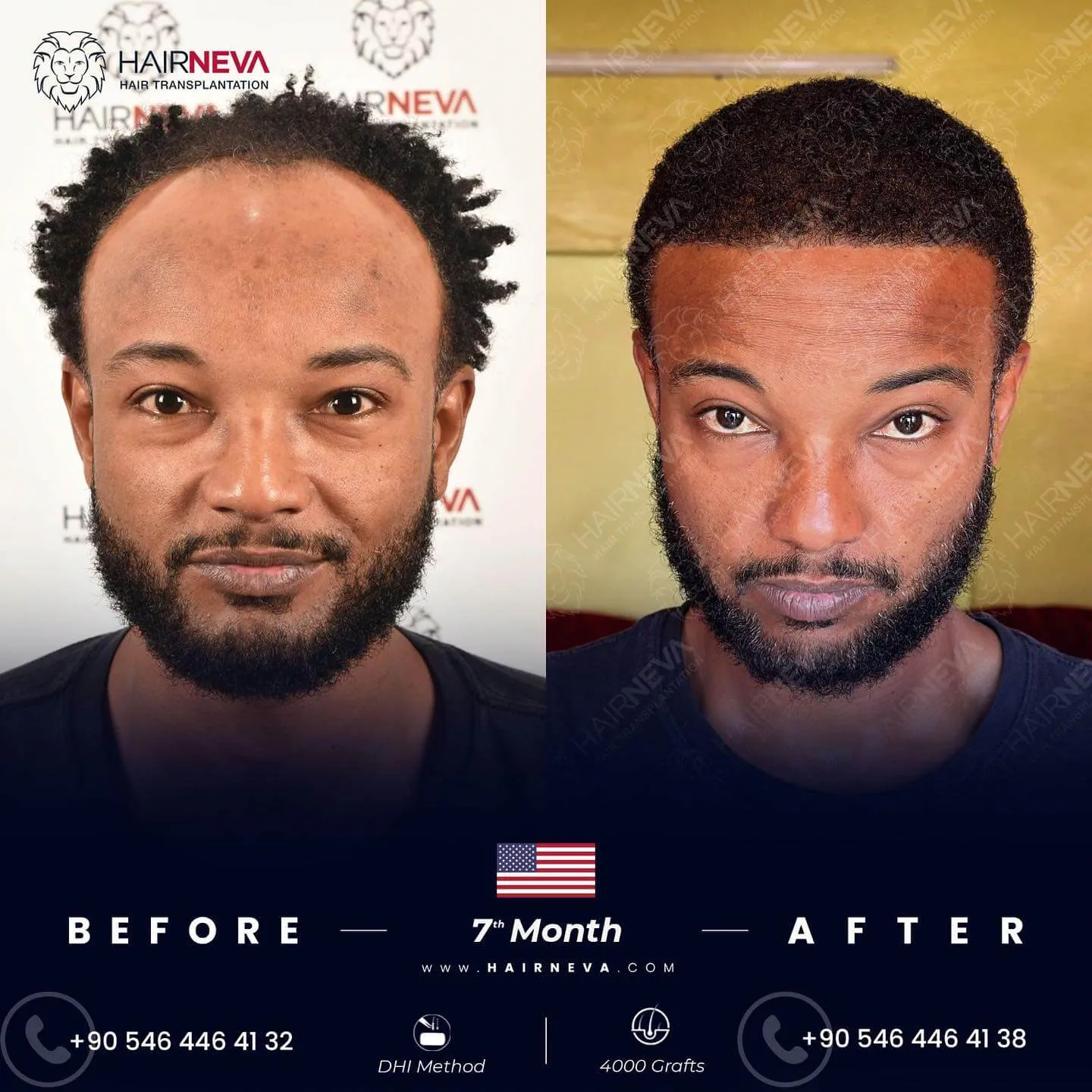
- Months 6–9: noticeable cosmetic improvement for many patients as density builds.
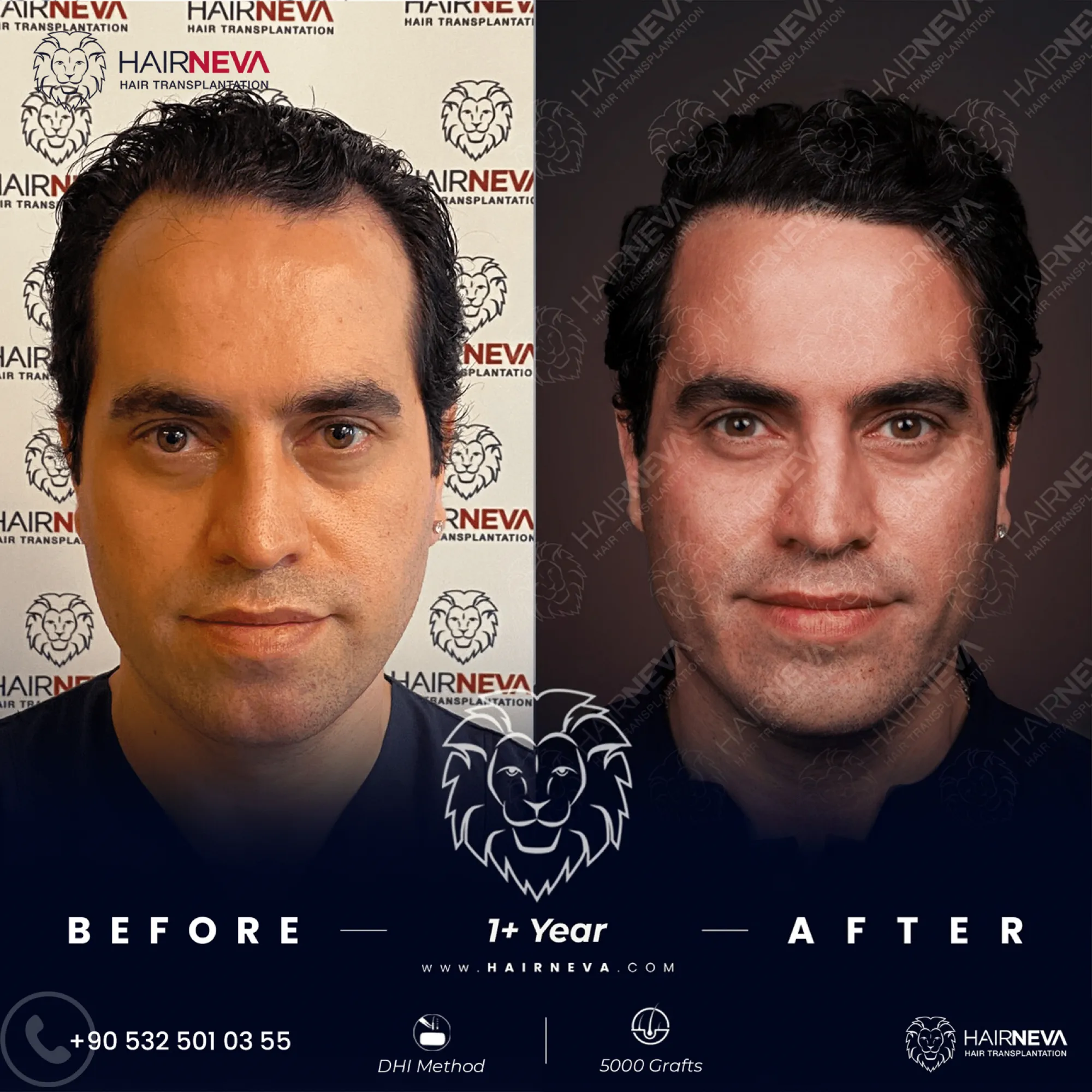
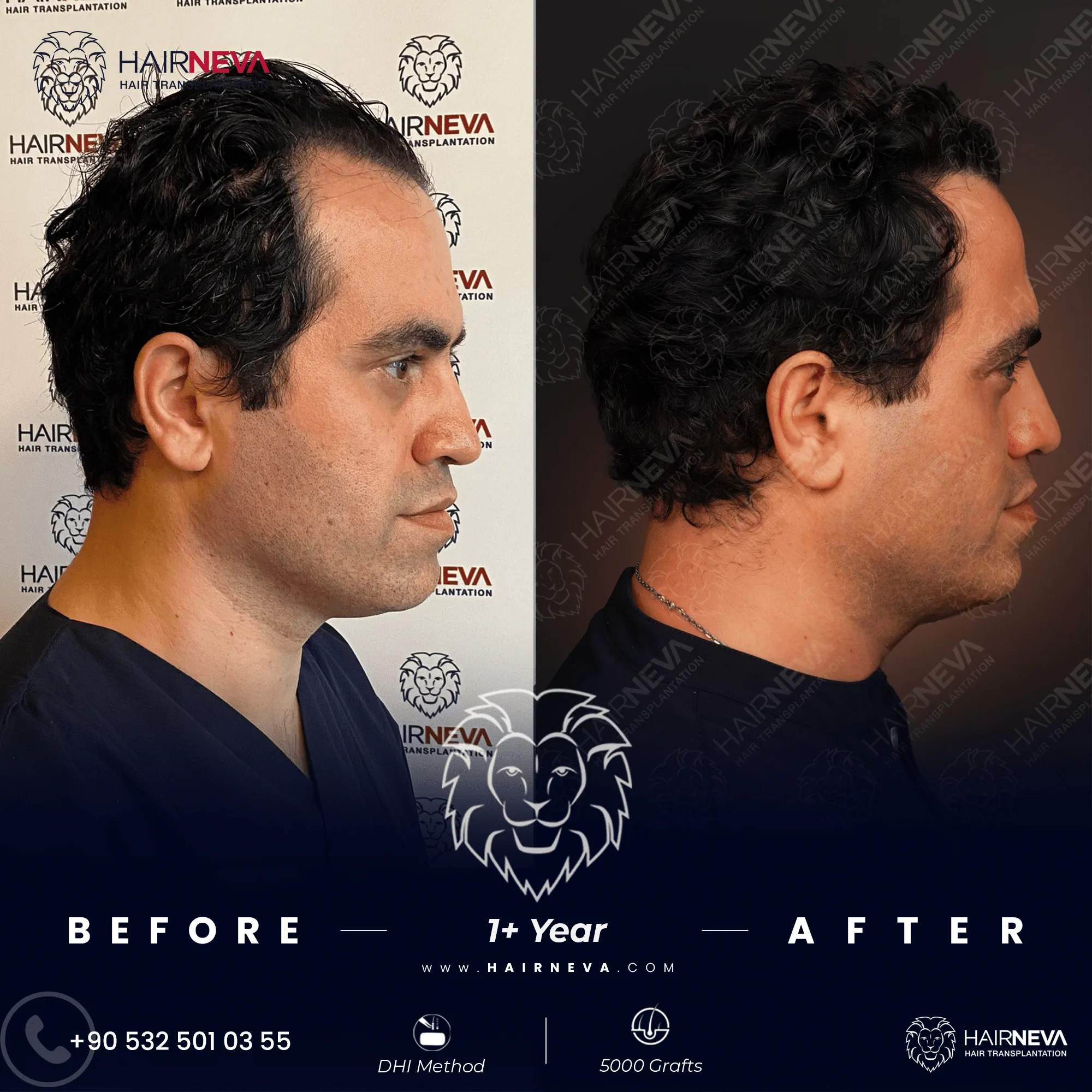
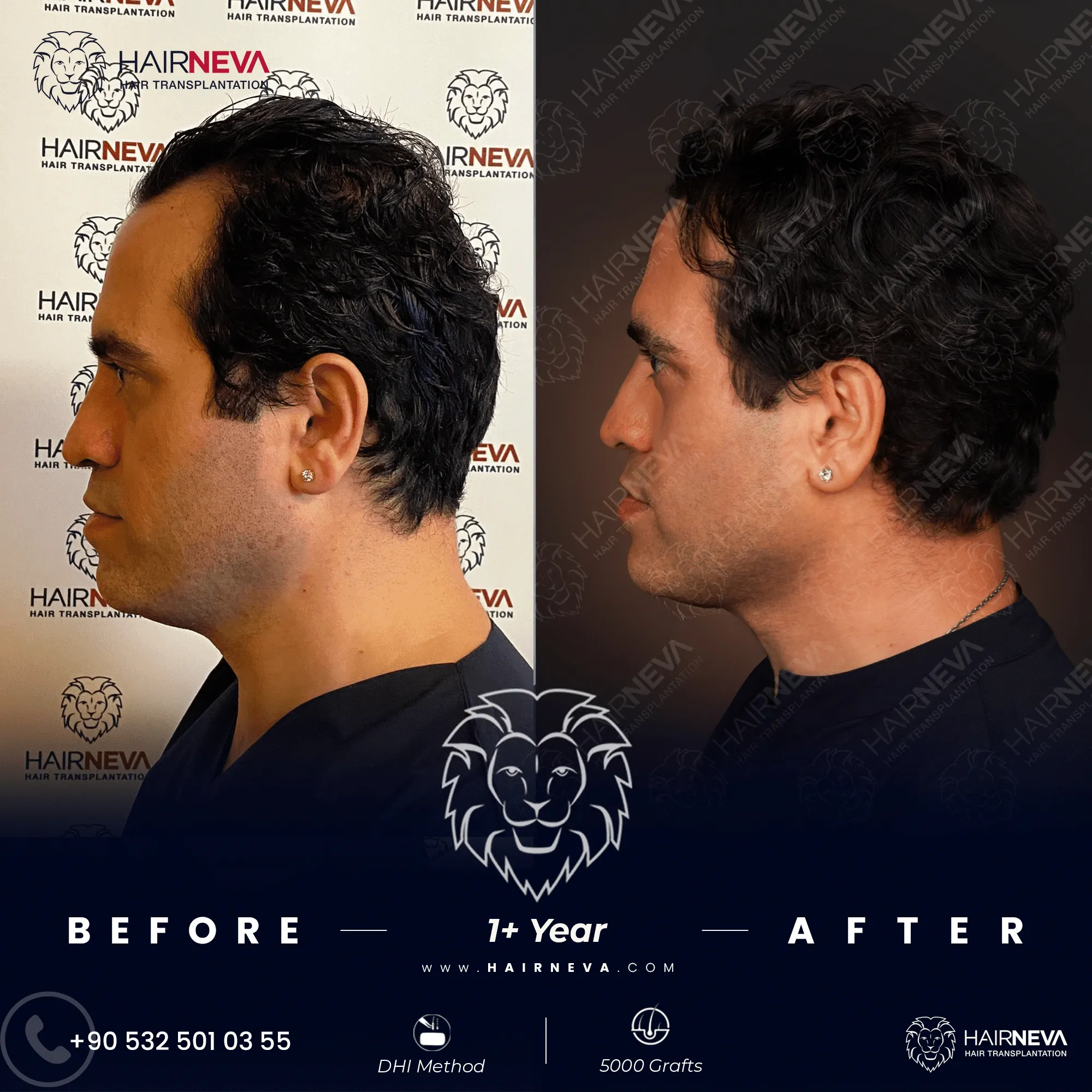
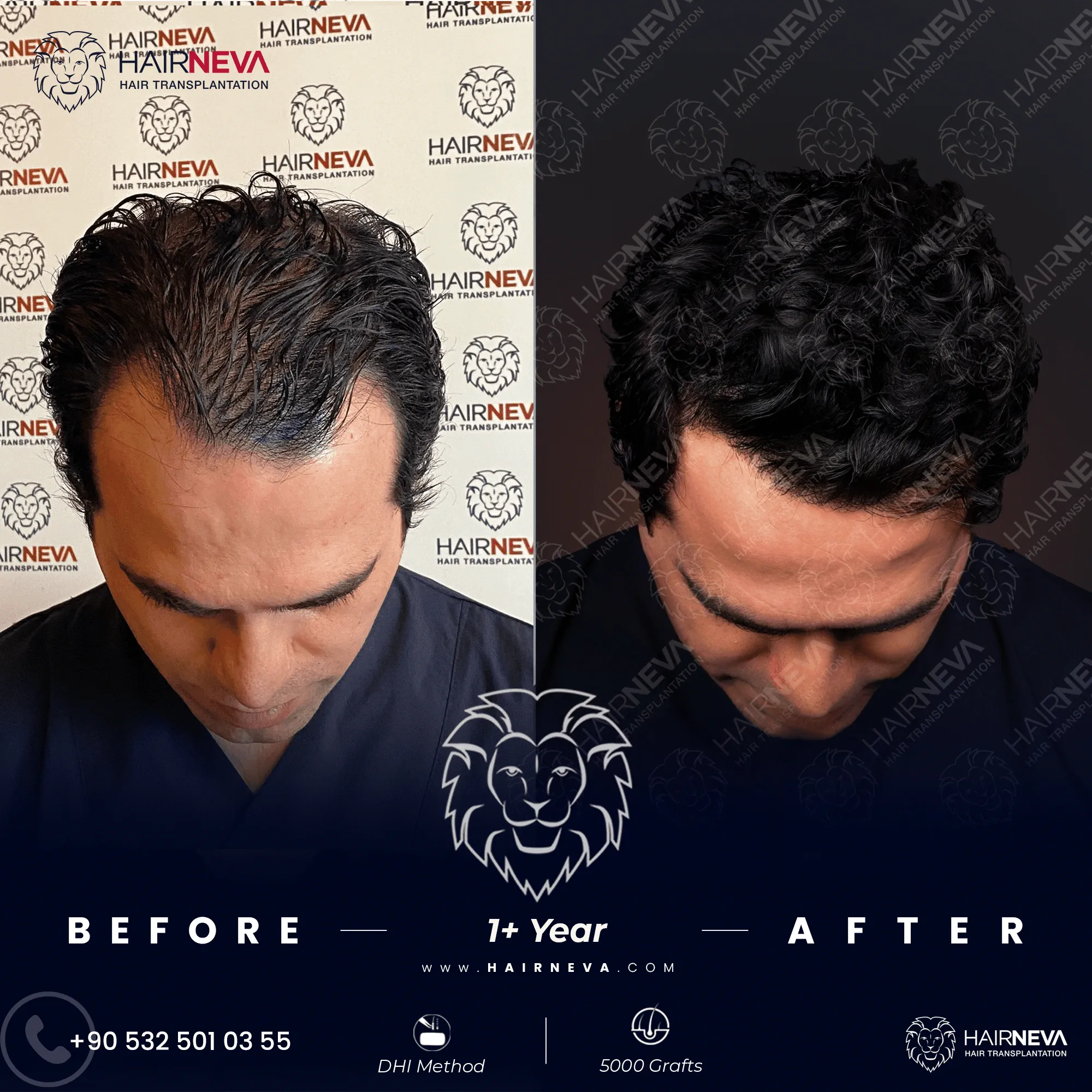
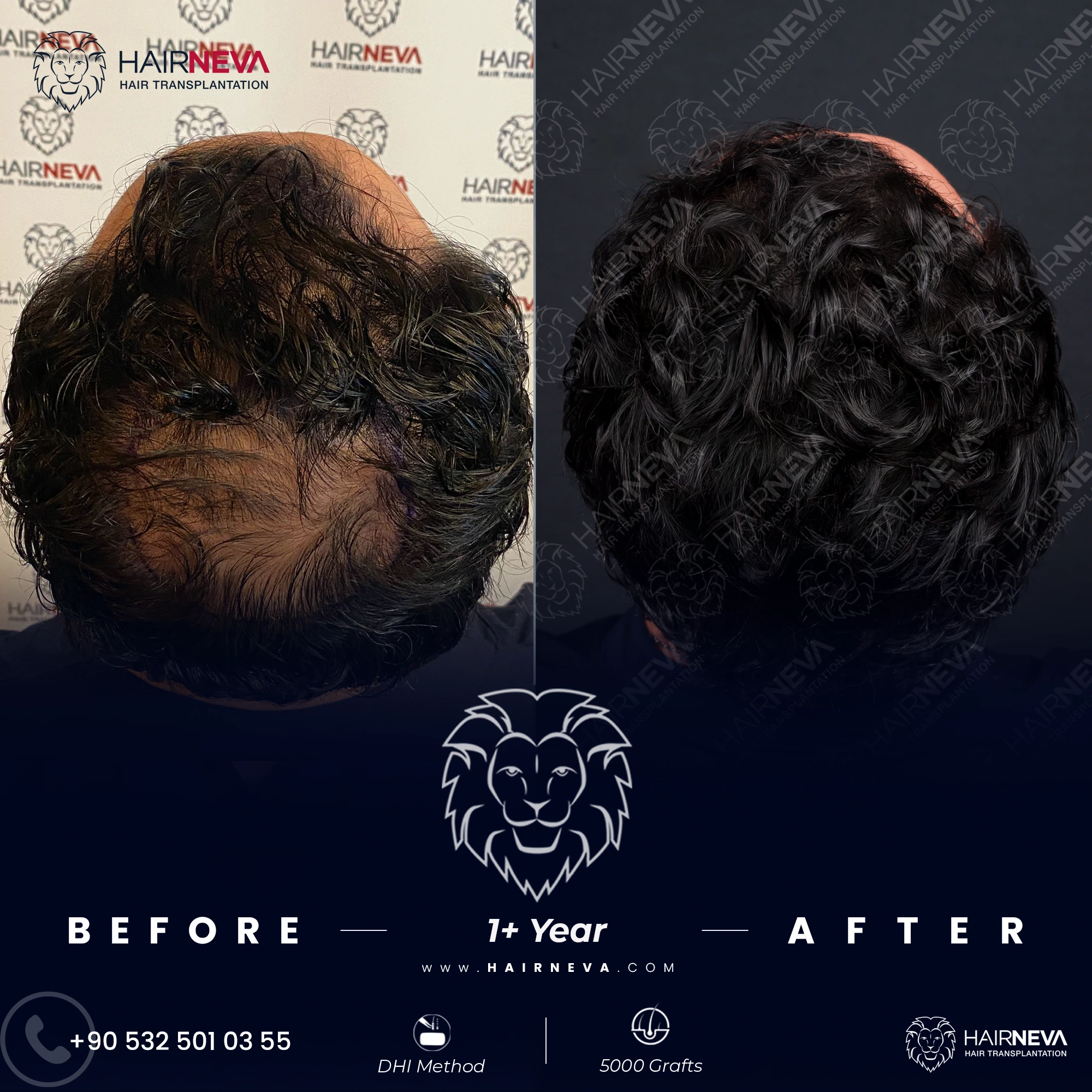
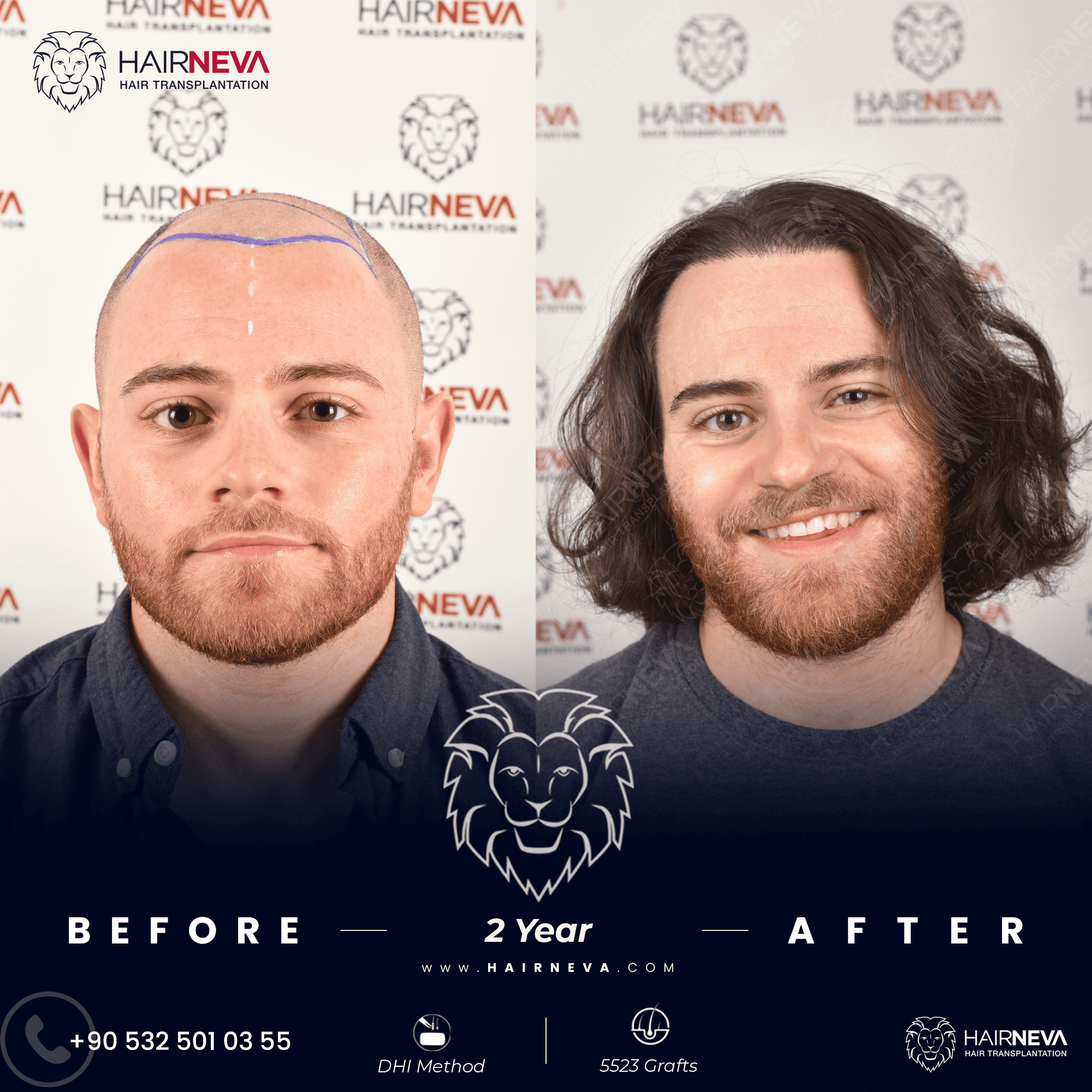
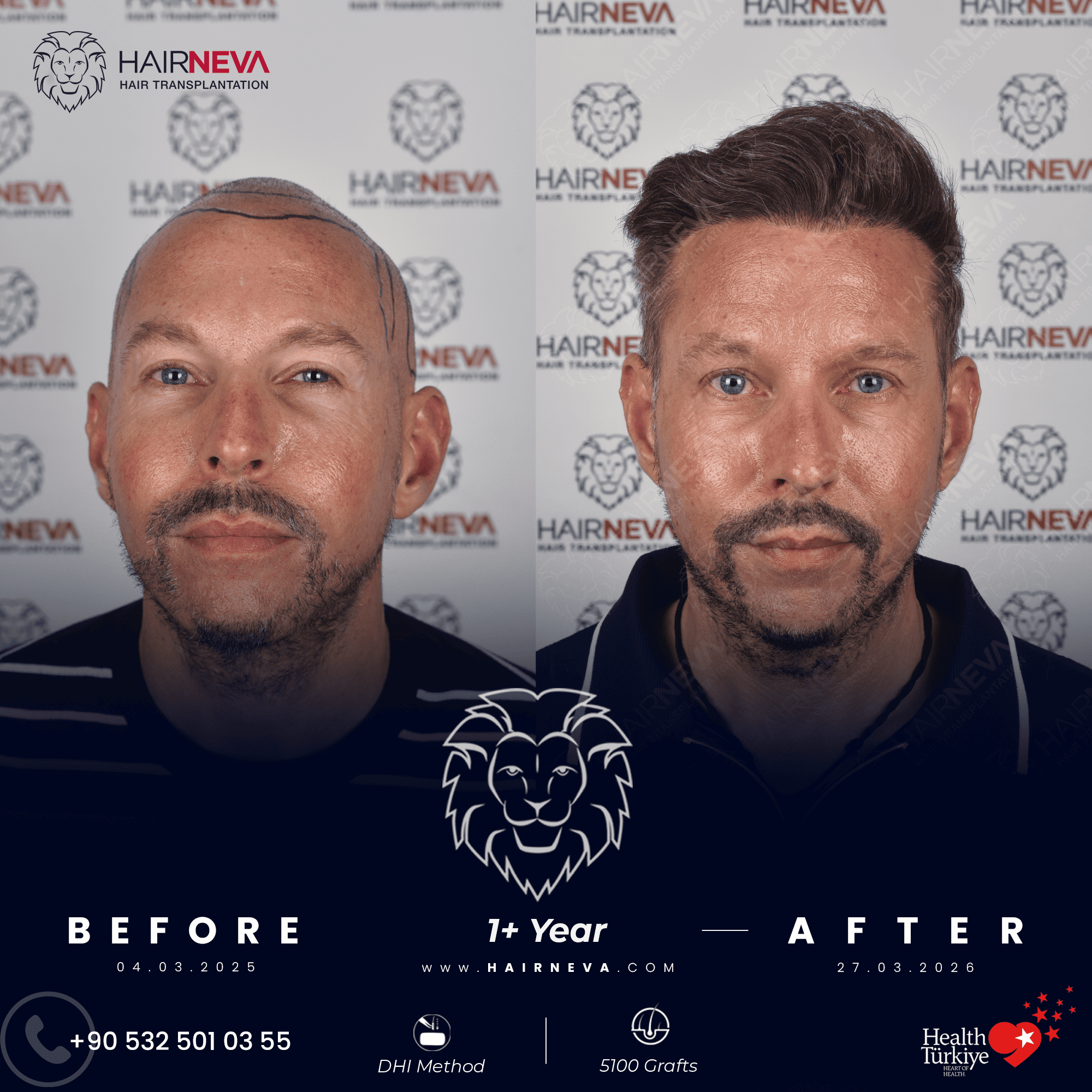
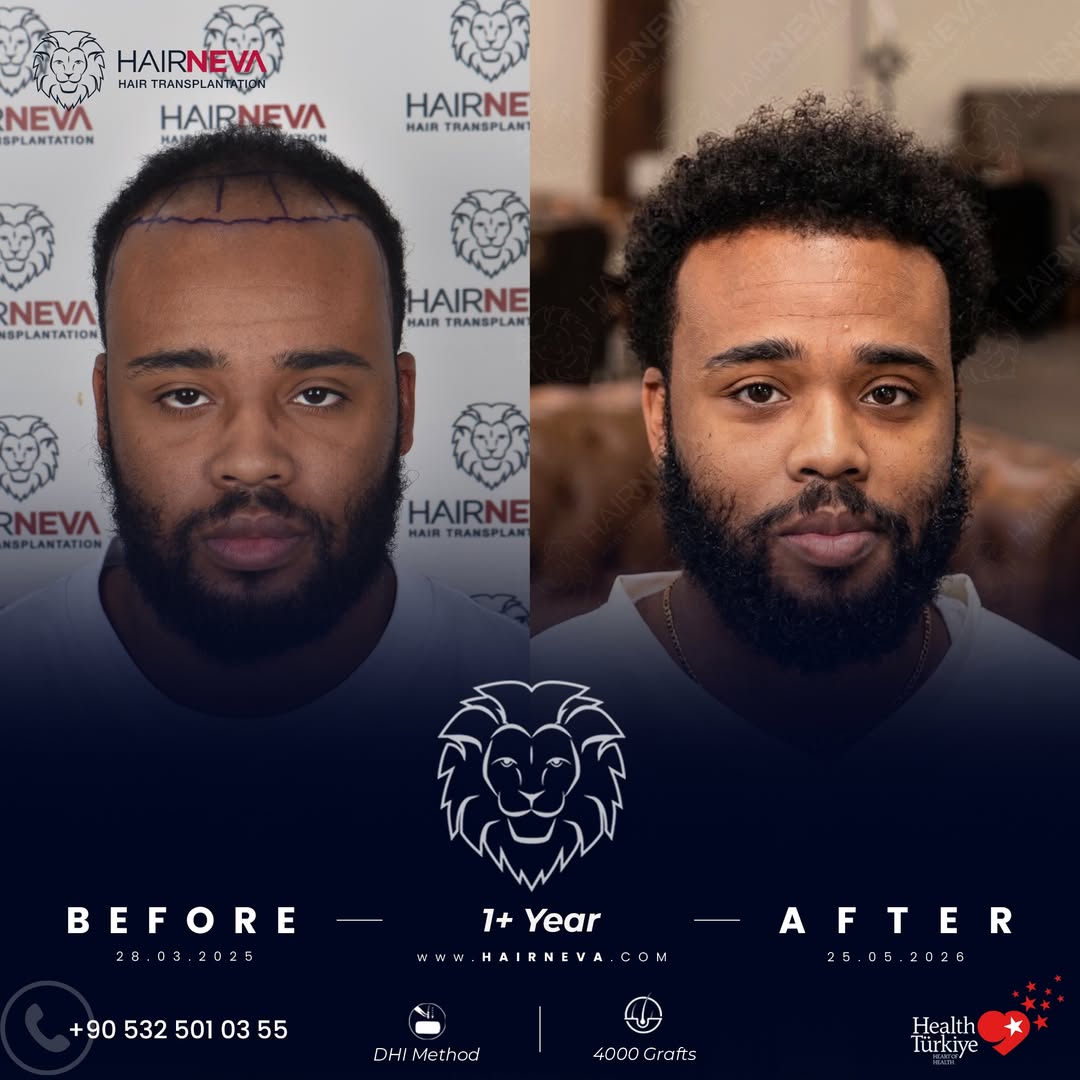
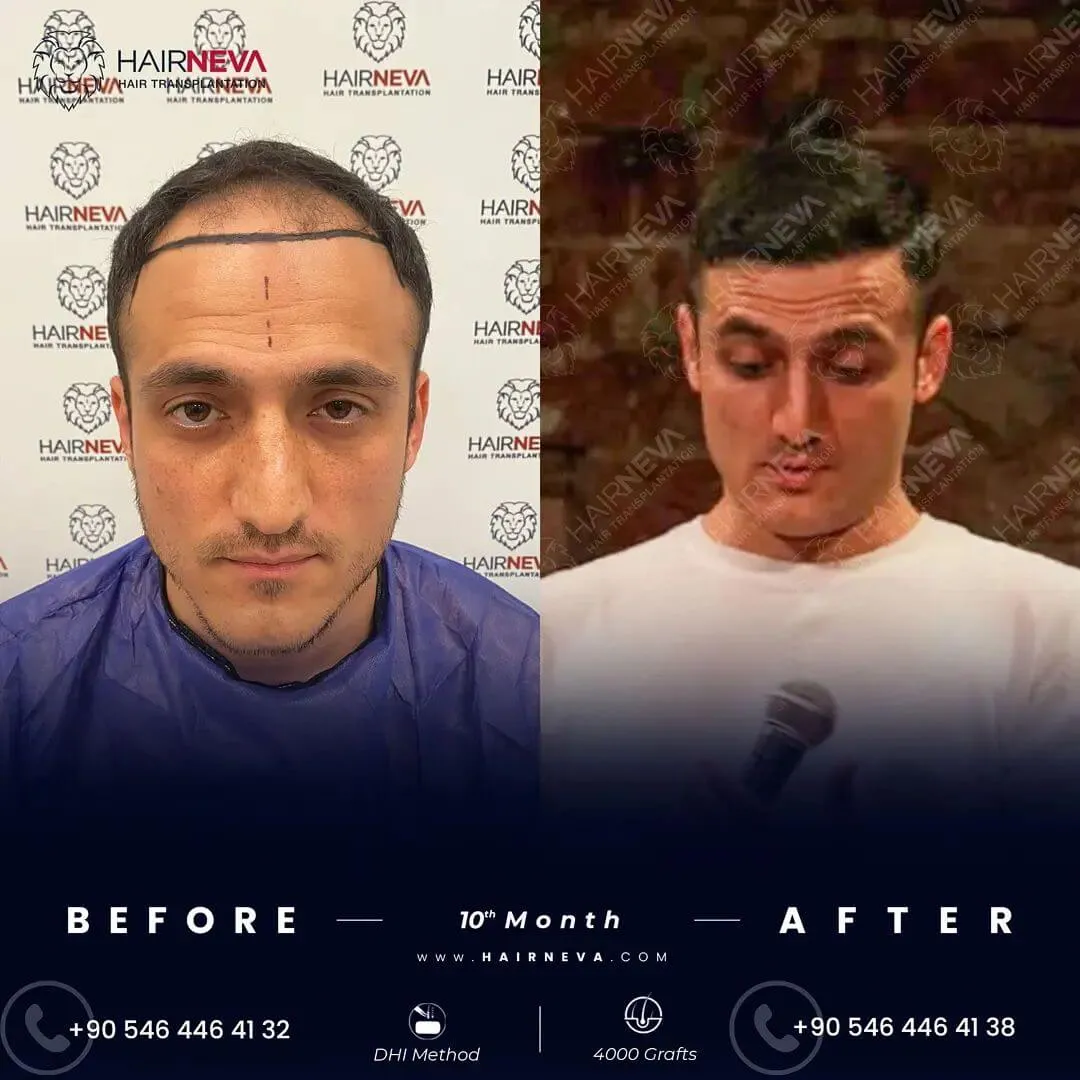
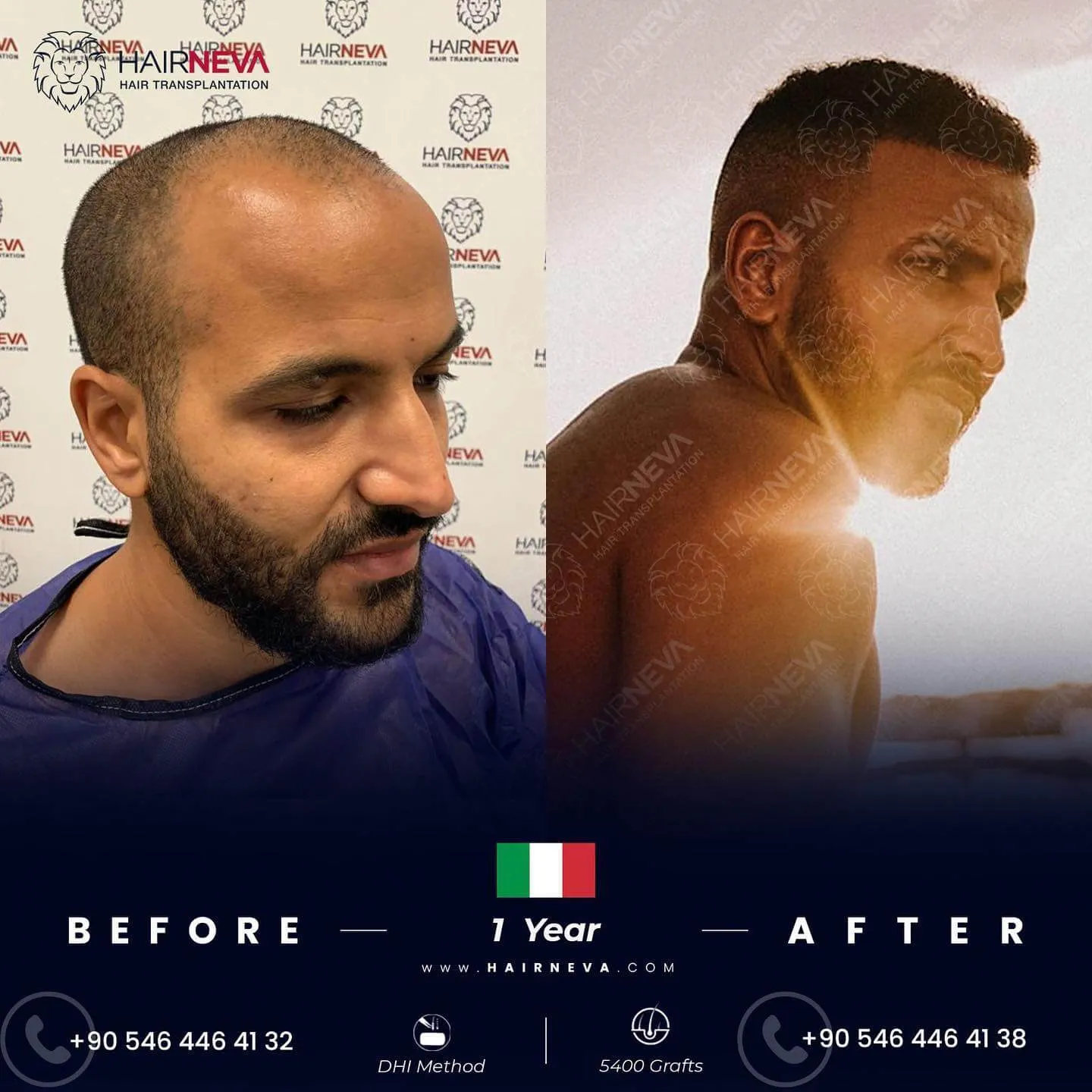
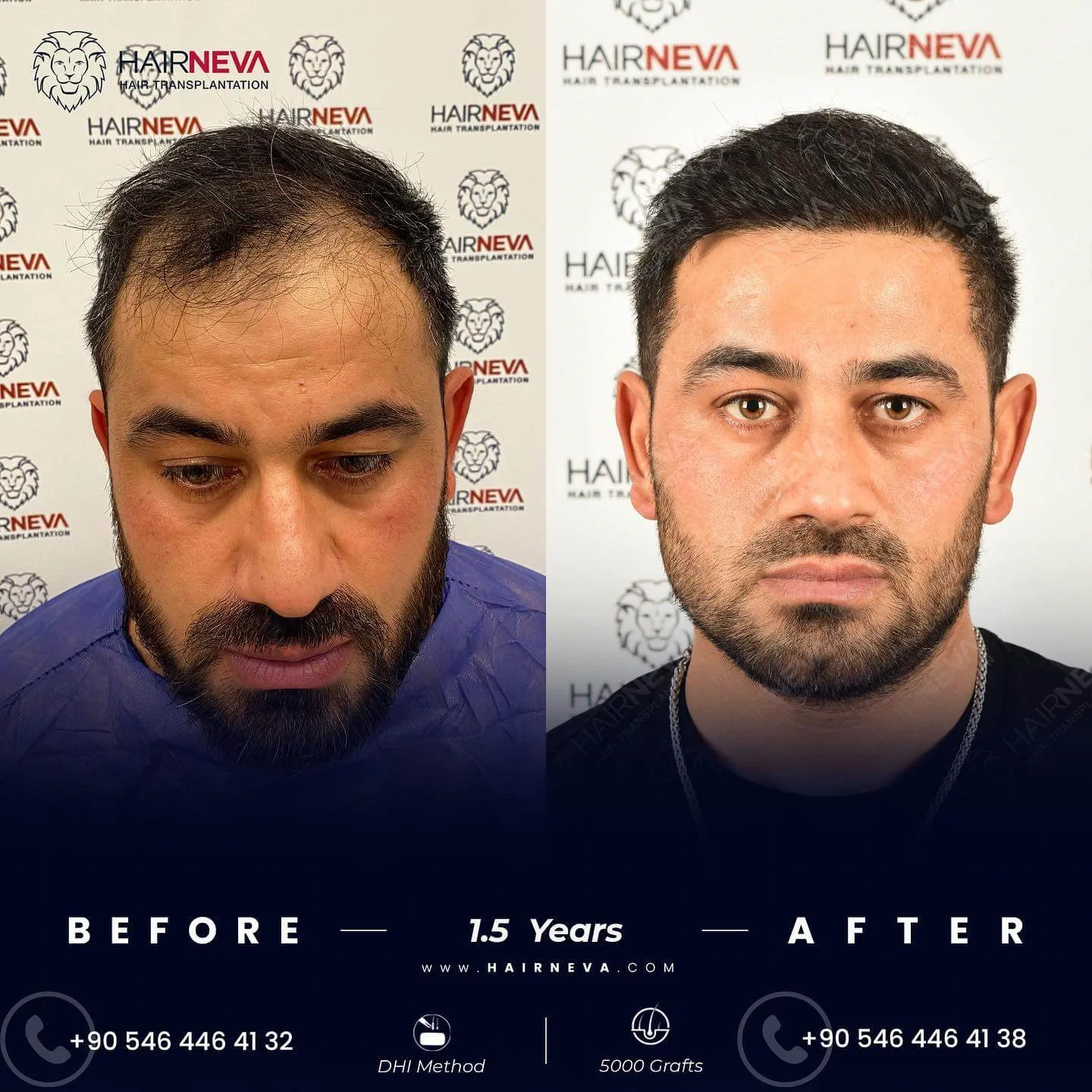
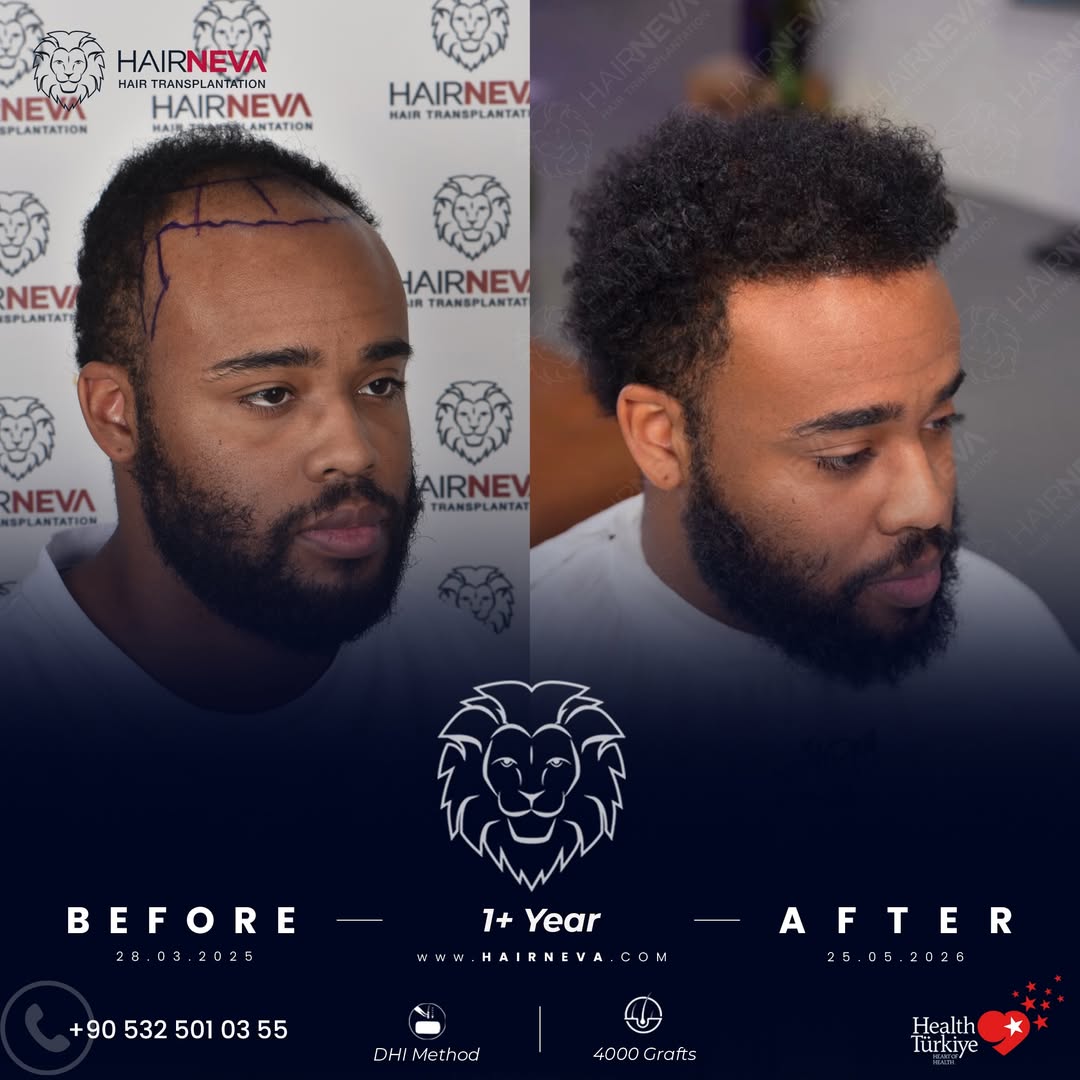
- Months 12–18: the result is often closer to “final,” especially for crown work, which can mature more slowly.
Risks And Safety
A hair transplant is real surgery, so it carries real risks. Mayo Clinic lists possible risks such as bleeding, bruising, swelling, and infection, and notes that the procedure can be painful without sedation. Cleveland Clinic also mentions risks like infection, scarring, temporary numbness or tightness, poor graft growth, and an unnatural appearance if the result isn’t planned or executed well.
Most complications are preventable with good clinic standards and patient compliance. The bigger long-term “risk” is often not a medical one—it’s a planning issue: choosing a design that ignores future hair loss or using too much donor supply too early.
Is Hair Transplant 100% Safe?
Hair transplant is generally safe when performed by a qualified and experienced surgeon. However, no surgical procedure is 100% risk free. Hair transplant surgery is minimally invasive and performed under local anesthesia. Most patients experience only mild swelling or temporary redness. Serious complications are rare in accredited clinics. Following post operative care instructions reduces potential risks. Choosing a certified hair transplant clinic is essential for safety. Proper hygiene and medical evaluation before surgery improve outcomes.