


What Is Rhinoplasty?
Rhinoplasty, commonly known as a nose job, is a surgical procedure designed to reshape or refine the nose for both aesthetic and functional purposes. It can involve altering the size, angle, bridge, tip, or nostrils of the nose to achieve a more balanced facial appearance. Beyond cosmetic improvements, rhinoplasty can also address structural problems that affect breathing, such as a deviated septum. The procedure has become one of the most requested facial surgeries worldwide, as it enhances not only physical appearance but also overall confidence and quality of life.
Who Is a Suitable Candidate for Rhinoplasty?
A suitable candidate for rhinoplasty is someone who is generally healthy, has fully developed facial features, and wishes to improve the appearance or function of the nose. People often consider the surgery if they are dissatisfied with the shape, size, or symmetry of their nose, or if breathing issues caused by structural abnormalities interfere with daily life.
Realistic expectations are important, as rhinoplasty can significantly improve proportions but cannot completely change a person’s natural features. Candidates should also be emotionally prepared for the recovery process, since final results may take several months to become fully visible.
Common Aesthetic and Functional Reasons for Nose Surgery
Rhinoplasty is performed for many reasons that can be aesthetic, functional, or a combination of both.
Aesthetic reasons include:
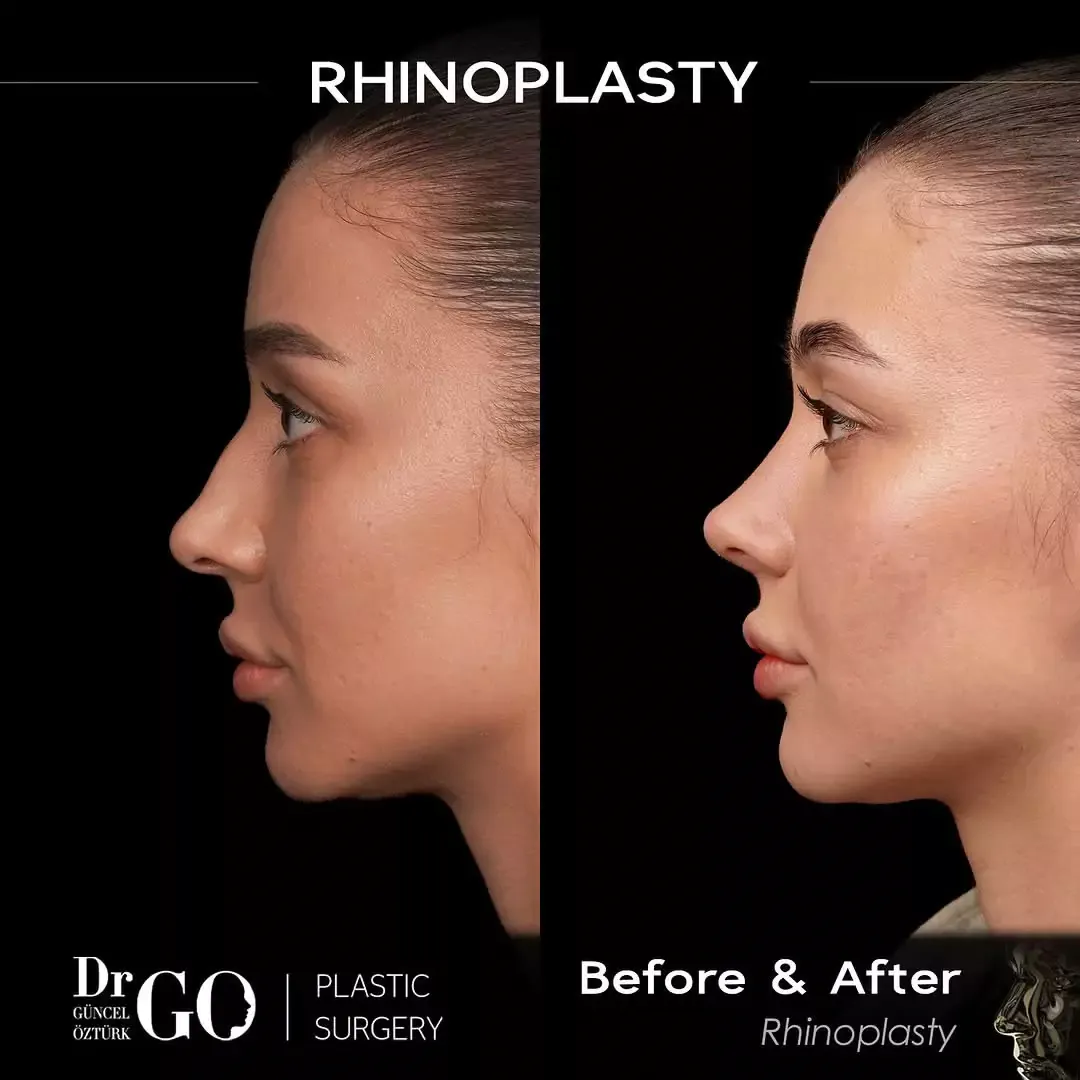
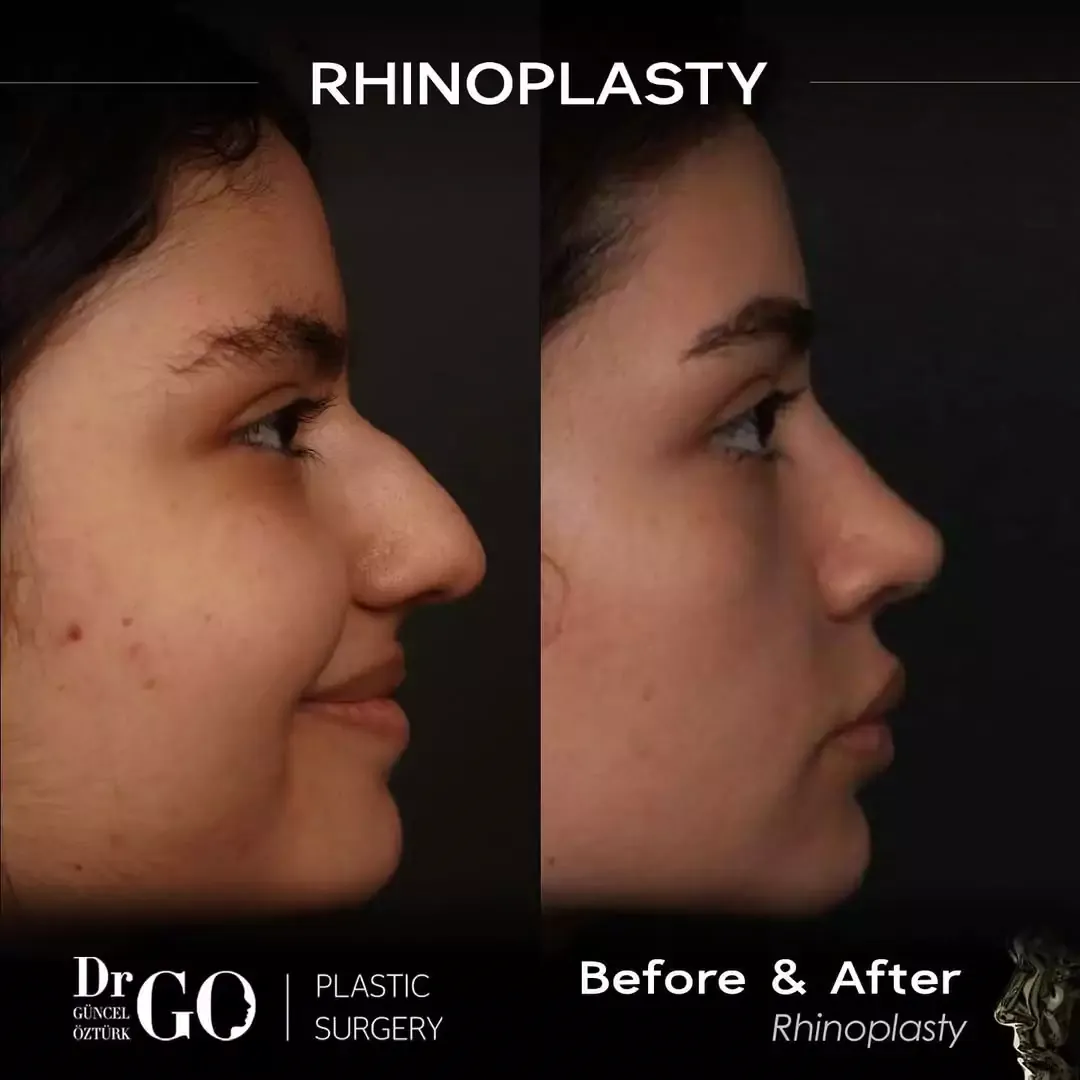
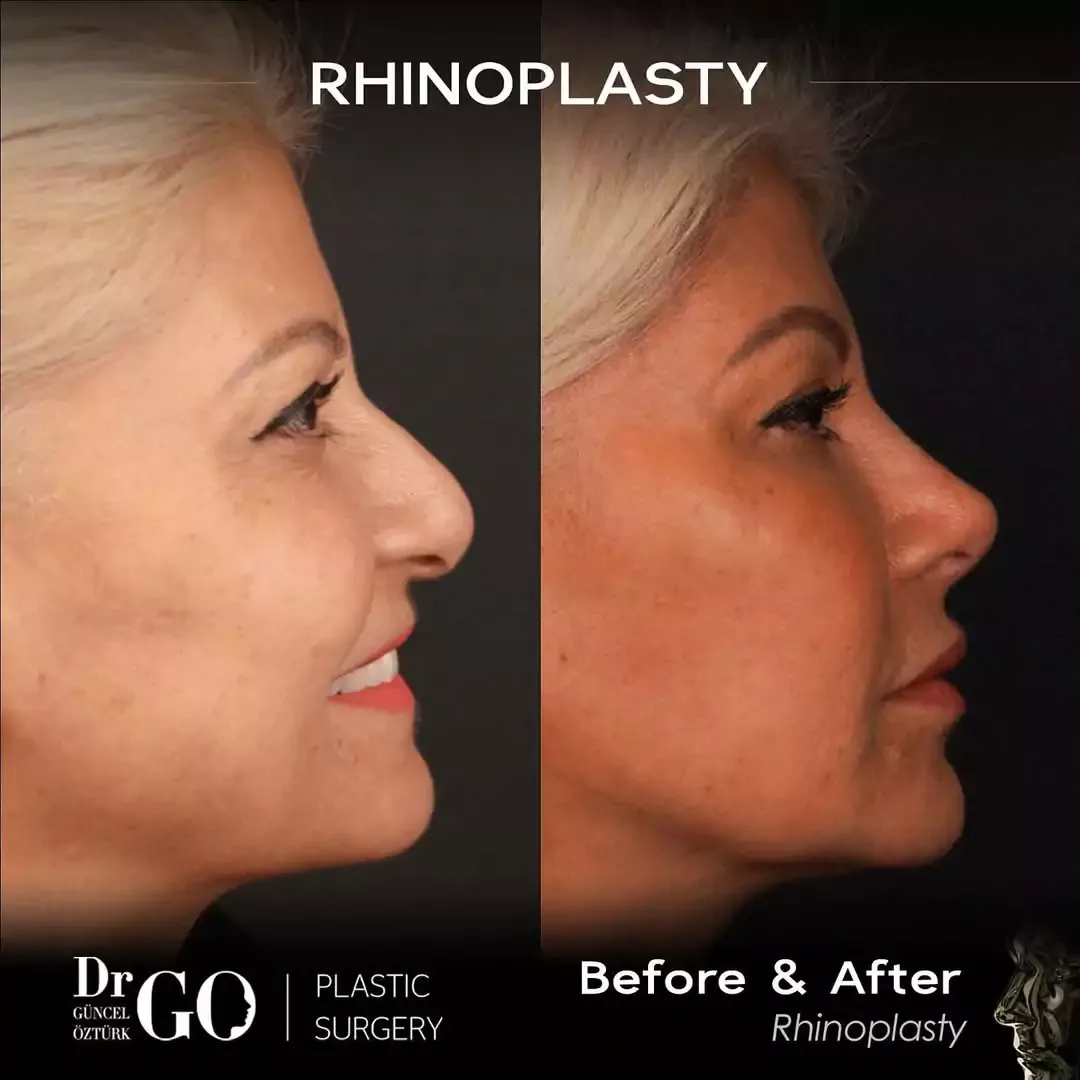
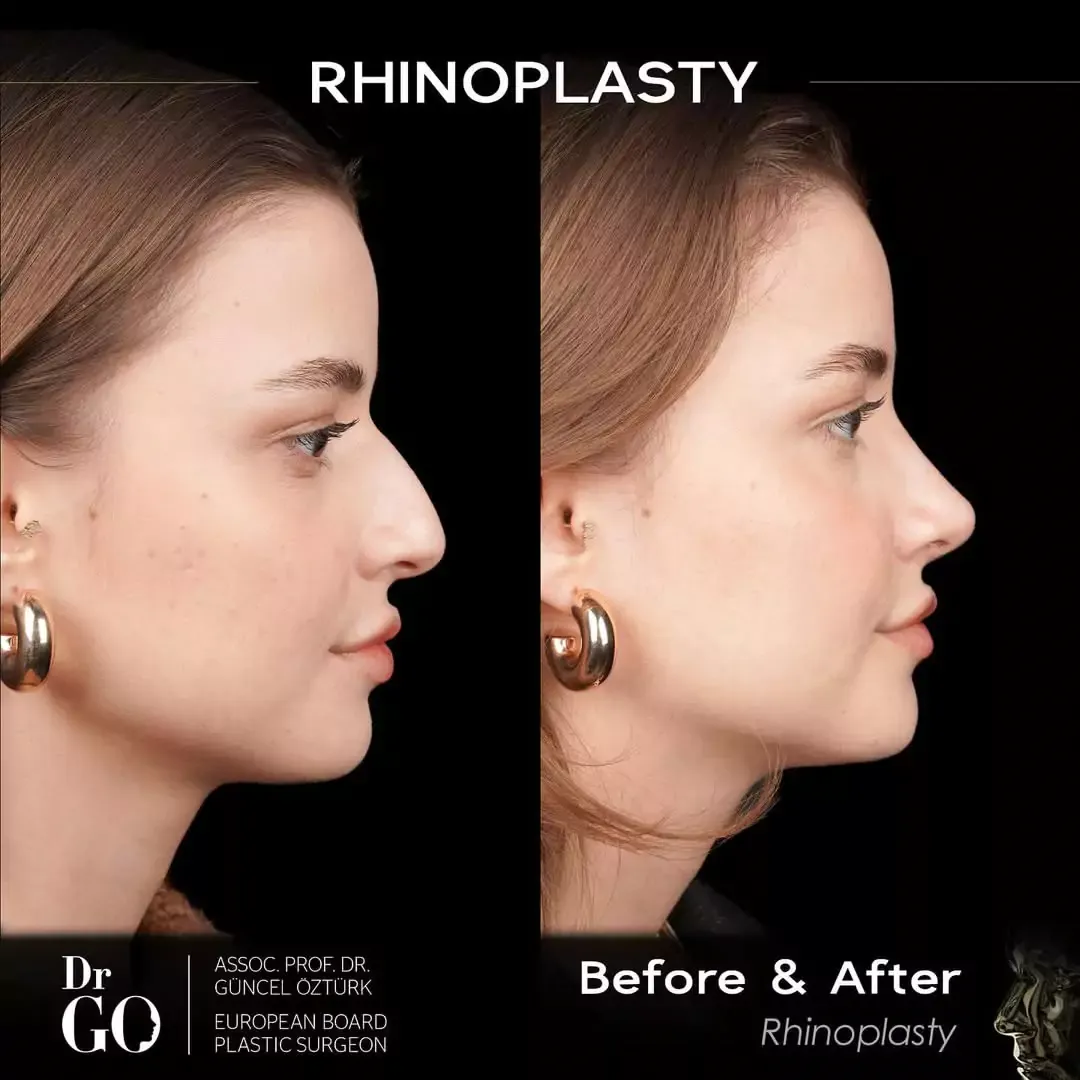
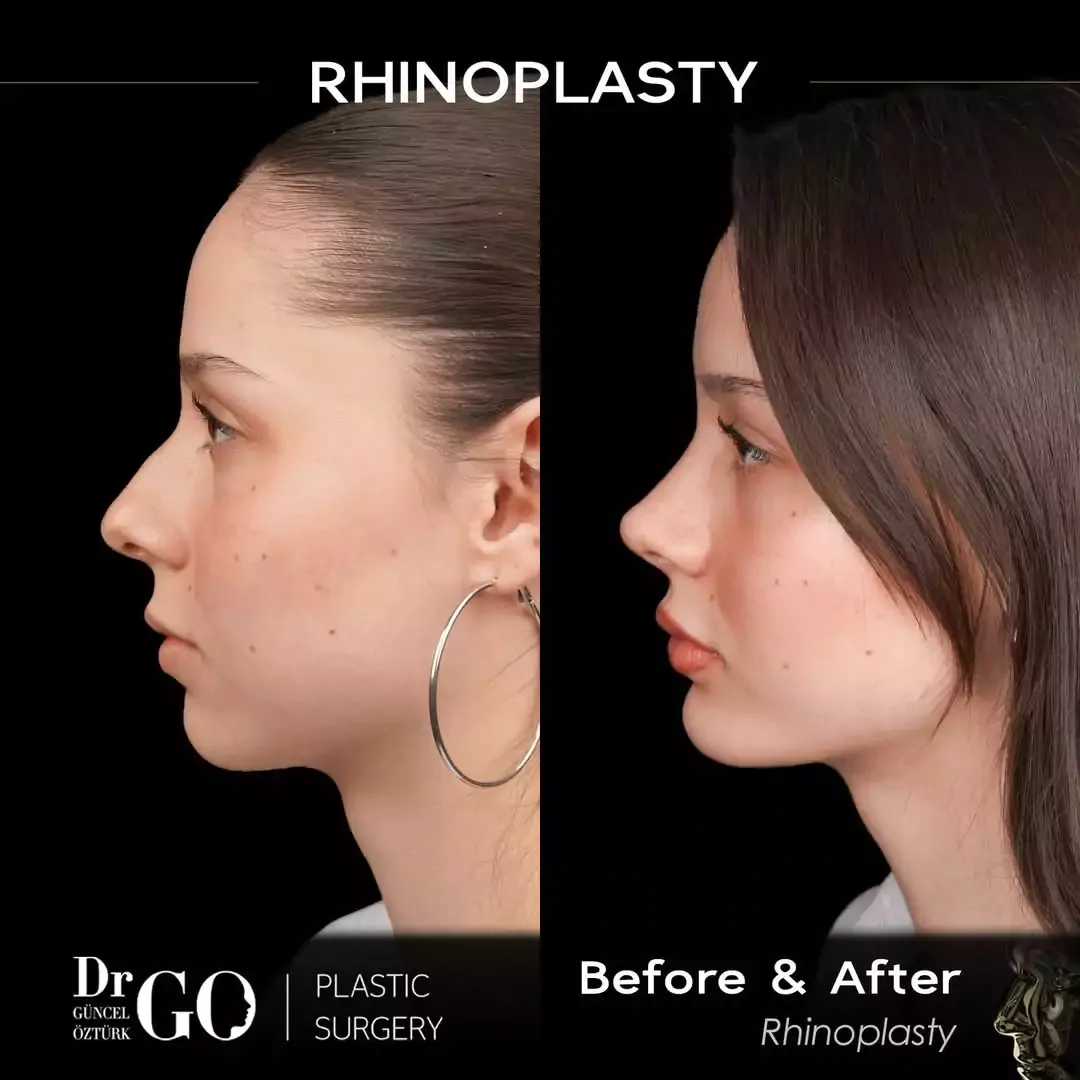
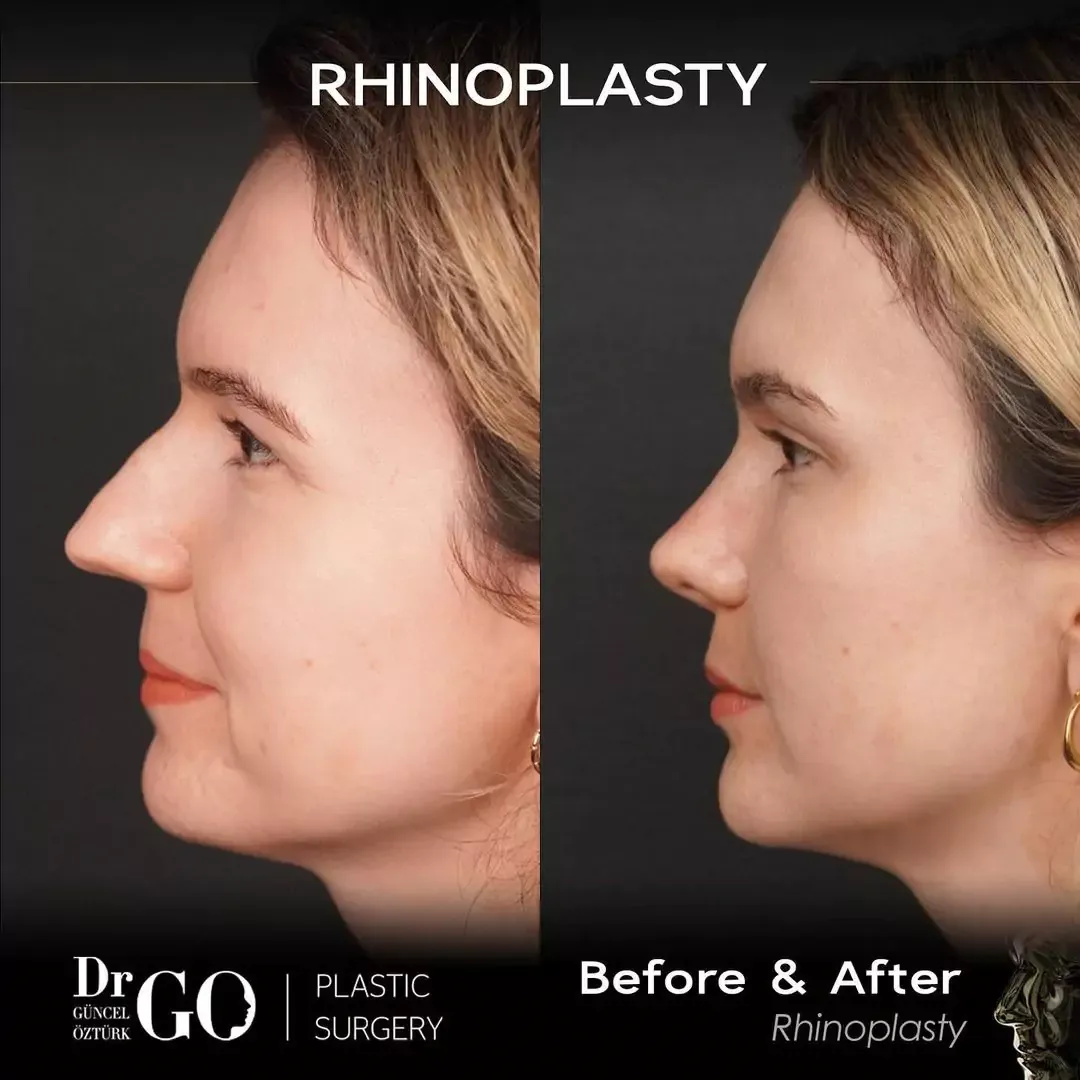
Reducing a dorsal hump
Refining a bulbous or drooping tip
Narrowing wide nostrils
Improving symmetry after trauma
Functional reasons include:
Breathing difficulties caused by a deviated septum
Collapsed nasal valves
Structural problems from previous injuries
Some patients seek rhinoplasty for reconstructive purposes following an accident or medical condition. In every case, the goal is to harmonize the appearance of the nose with the rest of the face while ensuring comfortable and efficient breathing.
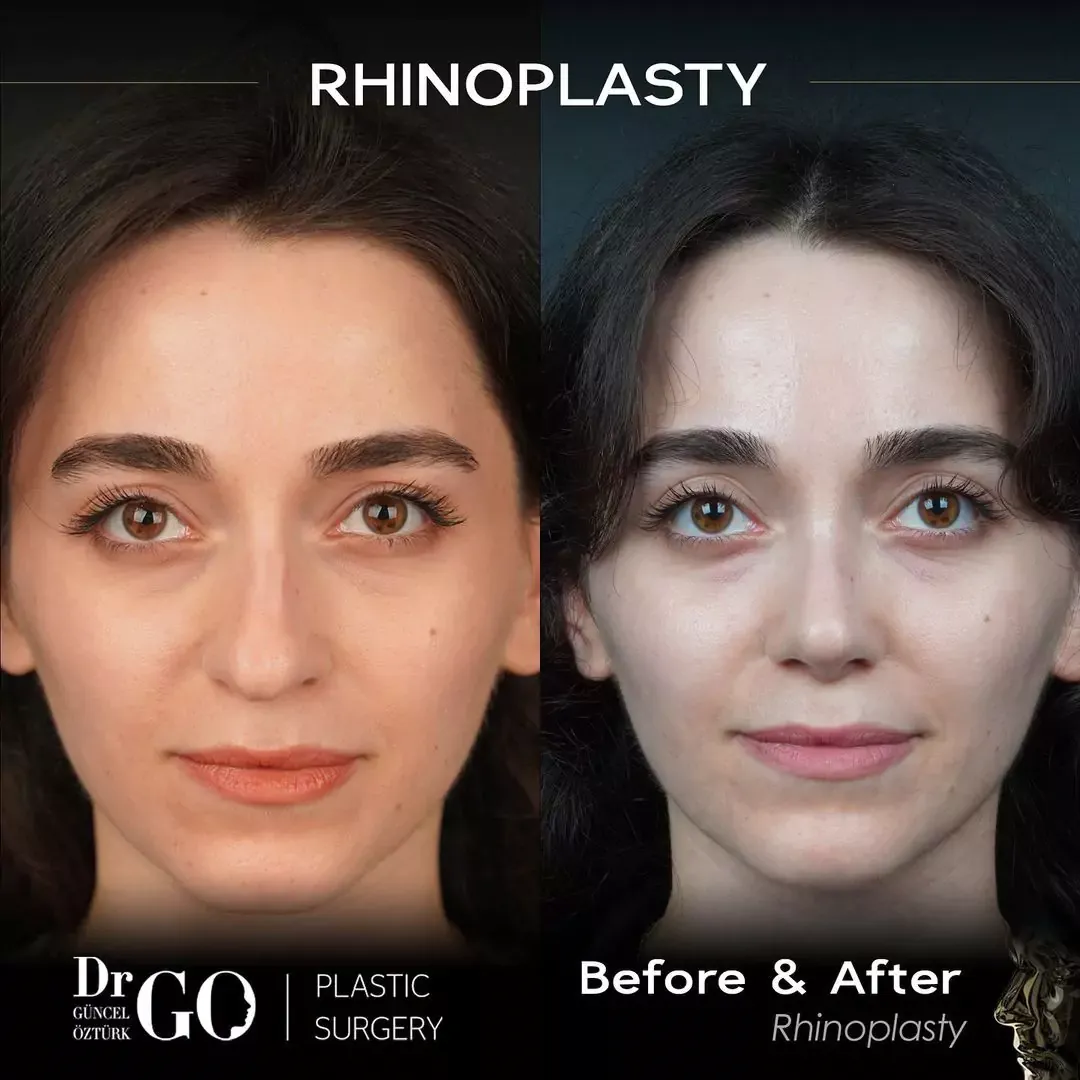
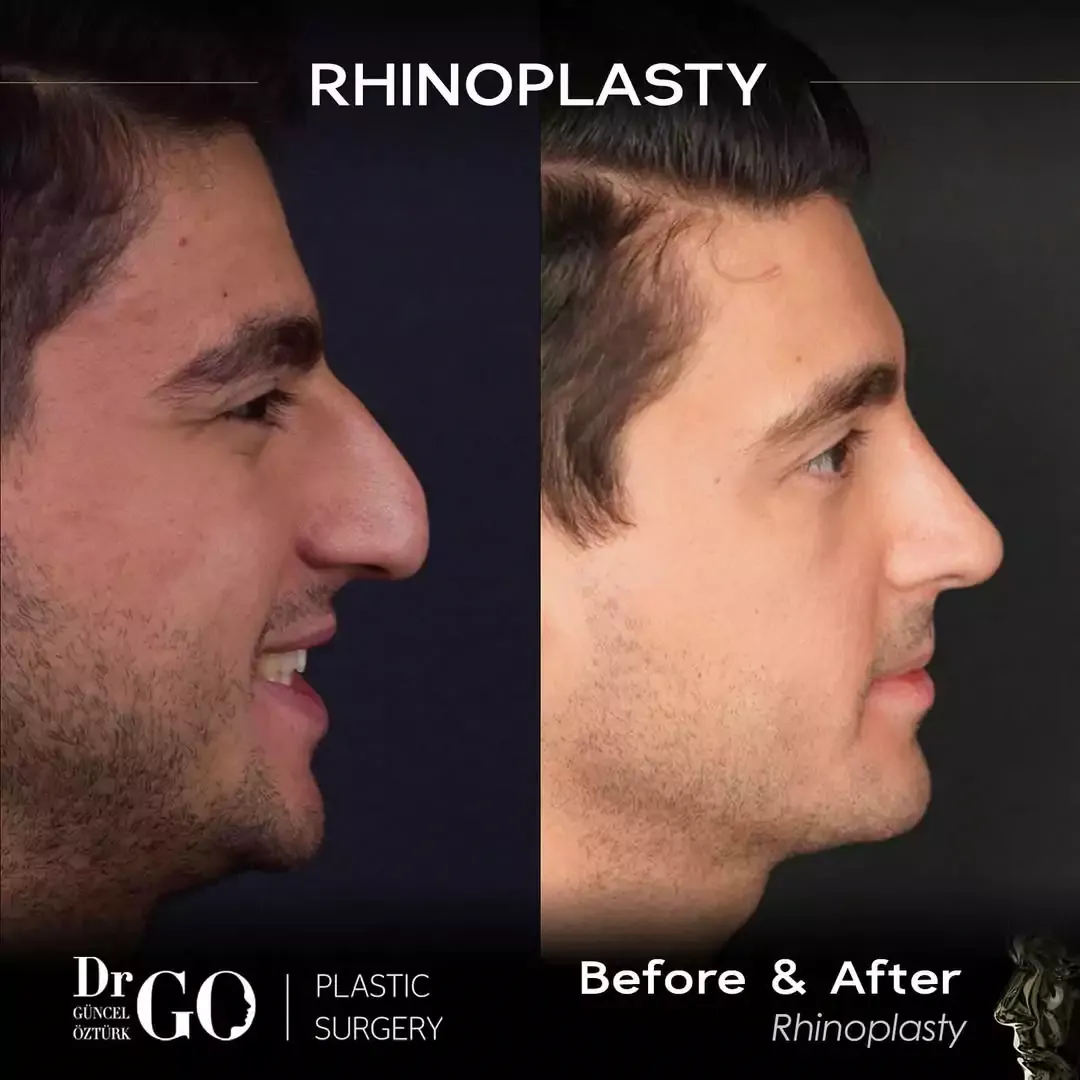
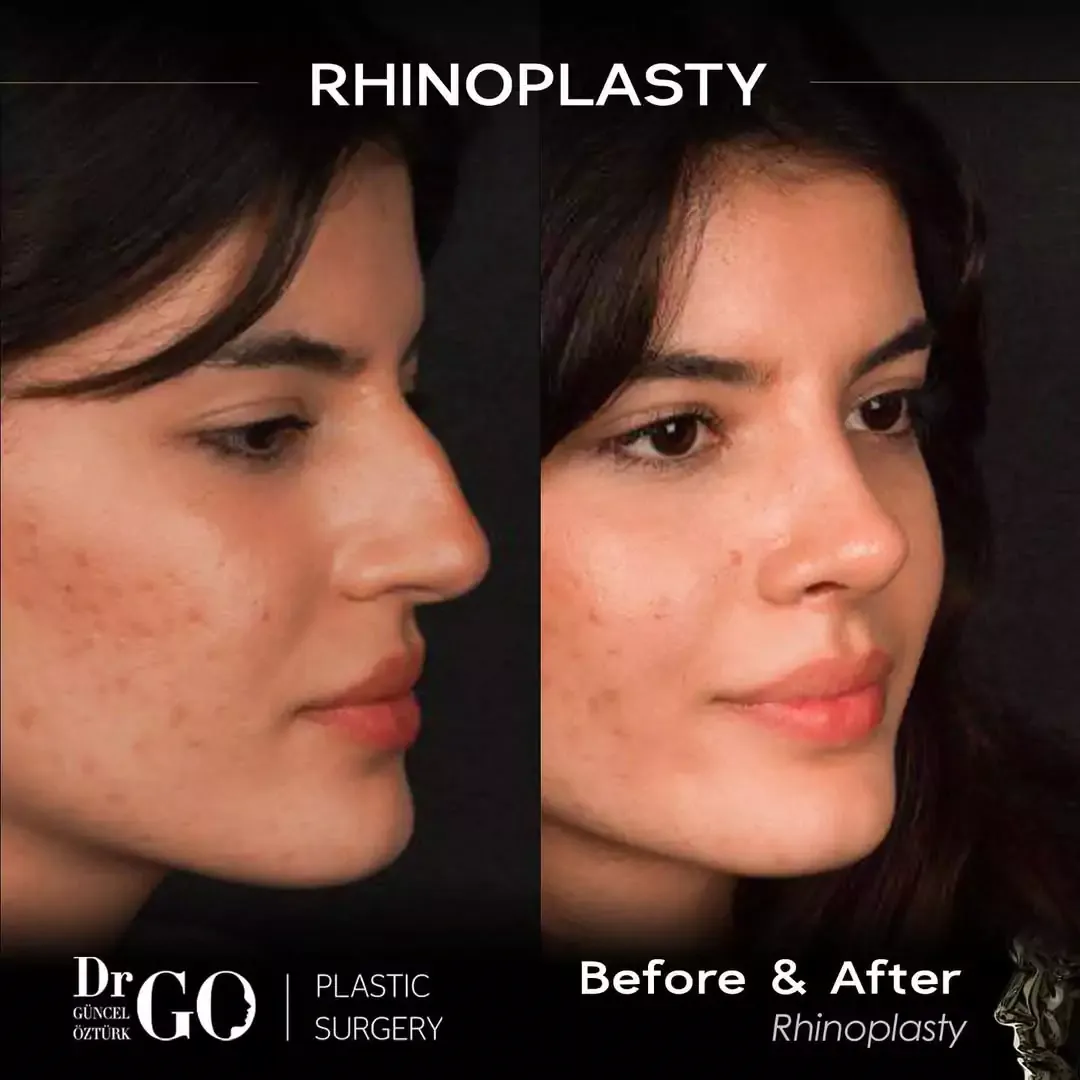
Types of Rhinoplasty Procedures
Rhinoplasty procedures vary based on patient needs and surgical techniques.
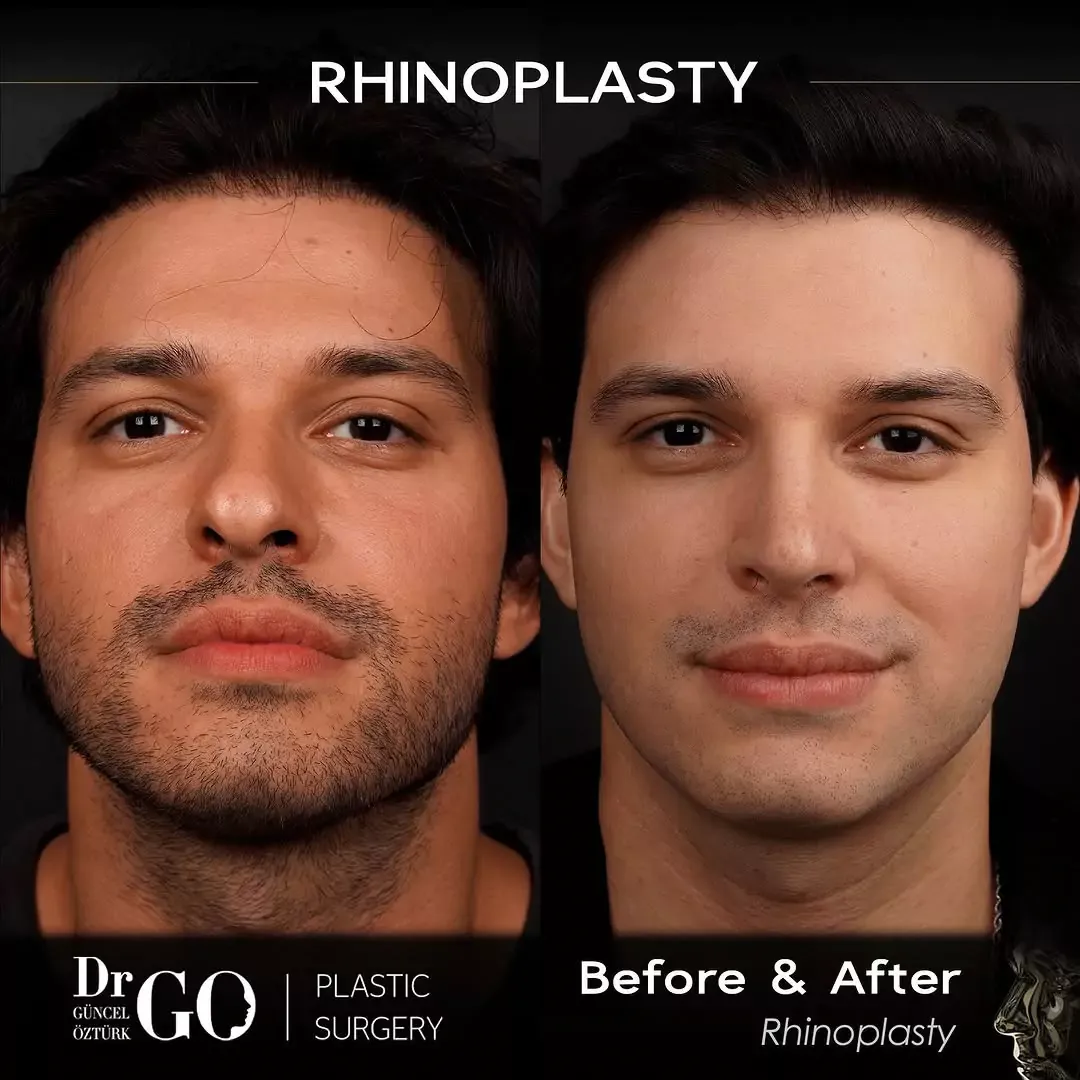
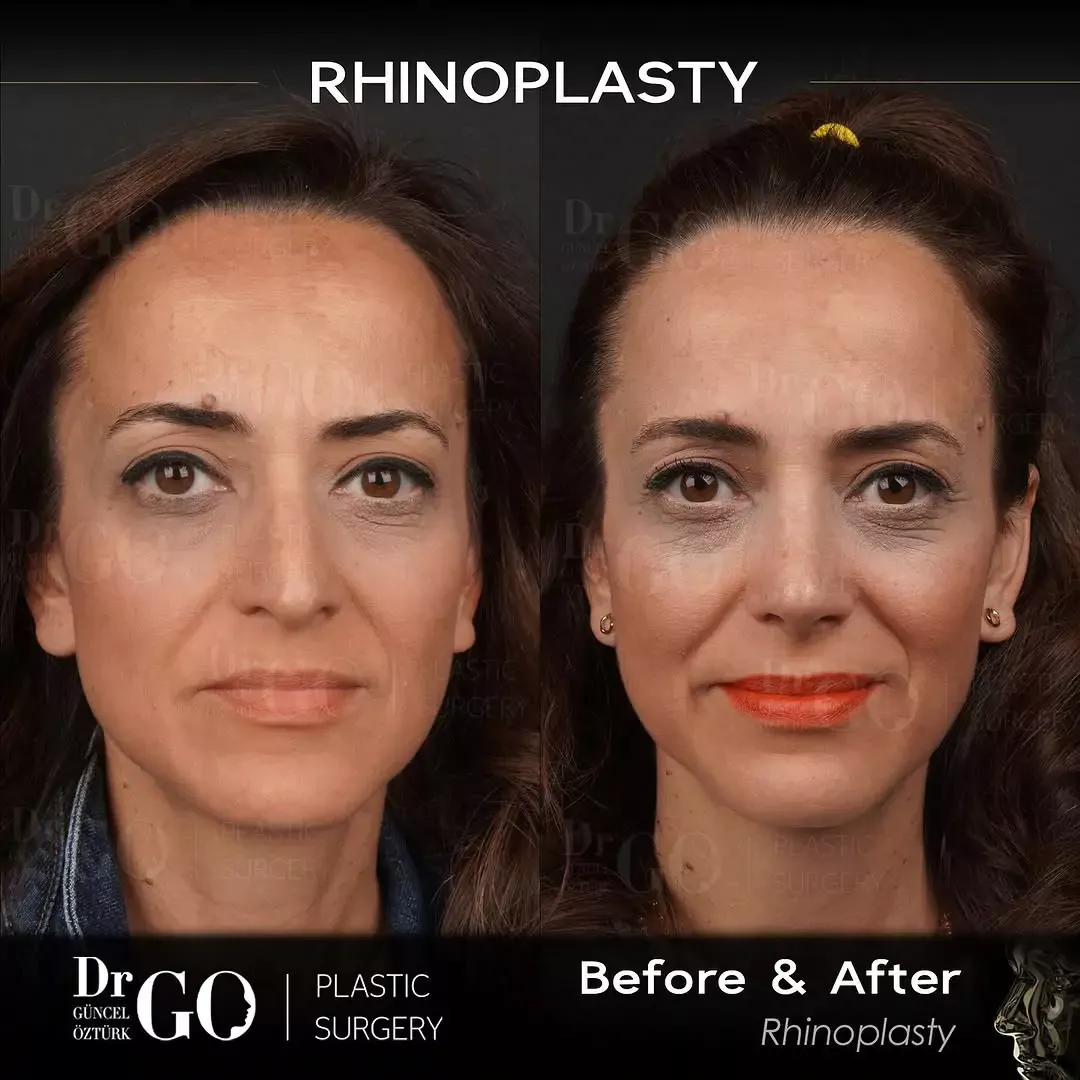
Cosmetic Rhinoplasty: Focuses on improving the external shape and proportions of the nose
Functional Rhinoplasty: Addresses breathing issues and nasal obstruction
Reconstructive Rhinoplasty: Restores normal structure and appearance after trauma or surgery
Revision Rhinoplasty: Corrects unsatisfactory results from previous nasal surgery
Each type requires careful planning and personalized techniques to achieve natural-looking results that enhance both aesthetics and function.
How Is Rhinoplasty Performed?
Rhinoplasty is typically performed under general anesthesia and lasts two to three hours, depending on case complexity. The surgeon makes precise incisions either inside the nostrils or across the columella, the small strip of tissue between the nostrils.
Through these incisions, the bone and cartilage are reshaped to refine the nasal structure. Adjustments may include reducing or augmenting cartilage, straightening the septum, or narrowing the nasal bridge. Once the desired shape is achieved, the incisions are closed carefully, and the nose is supported with splints or dressings during the initial healing period.
Open vs. Closed Rhinoplasty: Which One Is Right for You?
There are two main surgical approaches to rhinoplasty.
Open Rhinoplasty
Involves a small incision across the columella
Provides greater visibility and access to nasal structures
Preferred for complex cases, revisions, or significant reshaping
Closed Rhinoplasty
Incisions are made inside the nostrils
No external scars
Less swelling and shorter recovery time
Limited surgical visibility
The choice depends on individual anatomy, surgical goals, and complexity. A skilled surgeon will determine the most appropriate approach for optimal results.
What to Expect Before and After Rhinoplasty
Before Surgery
Detailed consultation and nasal examination
Discussion of goals and possible outcomes
Imaging may be used for surgical planning
Preoperative instructions include avoiding certain medications and smoking
After Surgery
Swelling, bruising, and nasal congestion are common
An external splint is usually worn for the first week
Initial results appear after splint removal
Final shape continues to refine over several months
Recovery Process After Nose Surgery
Recovery varies depending on procedure complexity and individual health.
Swelling and bruising are most noticeable in the first few days
Most patients return to daily activities within 1–2 weeks
Strenuous exercise should be avoided for at least one month
Sleeping with the head elevated is recommended
While most swelling subsides within weeks, subtle refinements can continue for up to a year.
Risks and Complications of Rhinoplasty
Rhinoplasty is generally safe when performed by an experienced surgeon, but potential risks include:
Infection or bleeding
Asymmetry or scarring
Breathing difficulties
Dissatisfaction requiring revision surgery
Temporary side effects such as swelling, bruising, and numbness are common and usually resolve with time.
How Long Do Rhinoplasty Results Last?
Rhinoplasty results are typically permanent. Once healing is complete, improvements remain stable for a lifetime. Minor changes may occur due to natural aging, but the overall structure remains intact. Protecting the nose from trauma and maintaining a healthy lifestyle helps preserve long-term results.
Rhinoplasty Prices 2026
Rhinoplasty prices in Turkey in 2026 range between 2,500 and 5,500 euros, depending on:
Surgical technique (open, closed, revision, ethnic)
Case complexity
Surgeon expertise
Hospital standards and anesthesia type
Many clinics offer all-inclusive packages covering consultation, surgery, medication, and follow-up care. For an exact quote, a personalized evaluation is recommended.
Is Rhinoplasty Painful?
Rhinoplasty is not typically considered very painful. Modern anesthesia and postoperative pain management keep discomfort mild to moderate. Patients often experience pressure, congestion, or a dull ache rather than sharp pain. Bruising and swelling improve steadily within the first week.
When Will I See the Final Results?
Initial results are visible after splint removal in the first week
Most swelling subsides within 1–3 months
Final definition, especially of the nasal tip, may take up to one year
The gradual healing process ensures balanced, long-lasting results.
Will There Be Visible Scars After Rhinoplasty?
Closed Rhinoplasty: No visible external scars
Open Rhinoplasty: A small incision on the columella that typically heals very well and becomes nearly invisible
With proper aftercare, scars fade significantly and are rarely noticeable.
Can Rhinoplasty Fix Breathing Problems?
Yes. Functional rhinoplasty can correct:
Deviated septum
Enlarged turbinates
Structural nasal abnormalities
This improves airflow and breathing comfort and is often combined with cosmetic adjustments.
How Long Should I Avoid Glasses After Surgery?
Patients are generally advised to avoid glasses for 4–6 weeks after surgery to prevent pressure on the nasal bridge. Alternatives include contact lenses or special support frames. Once healing stabilizes, glasses can be worn safely.