


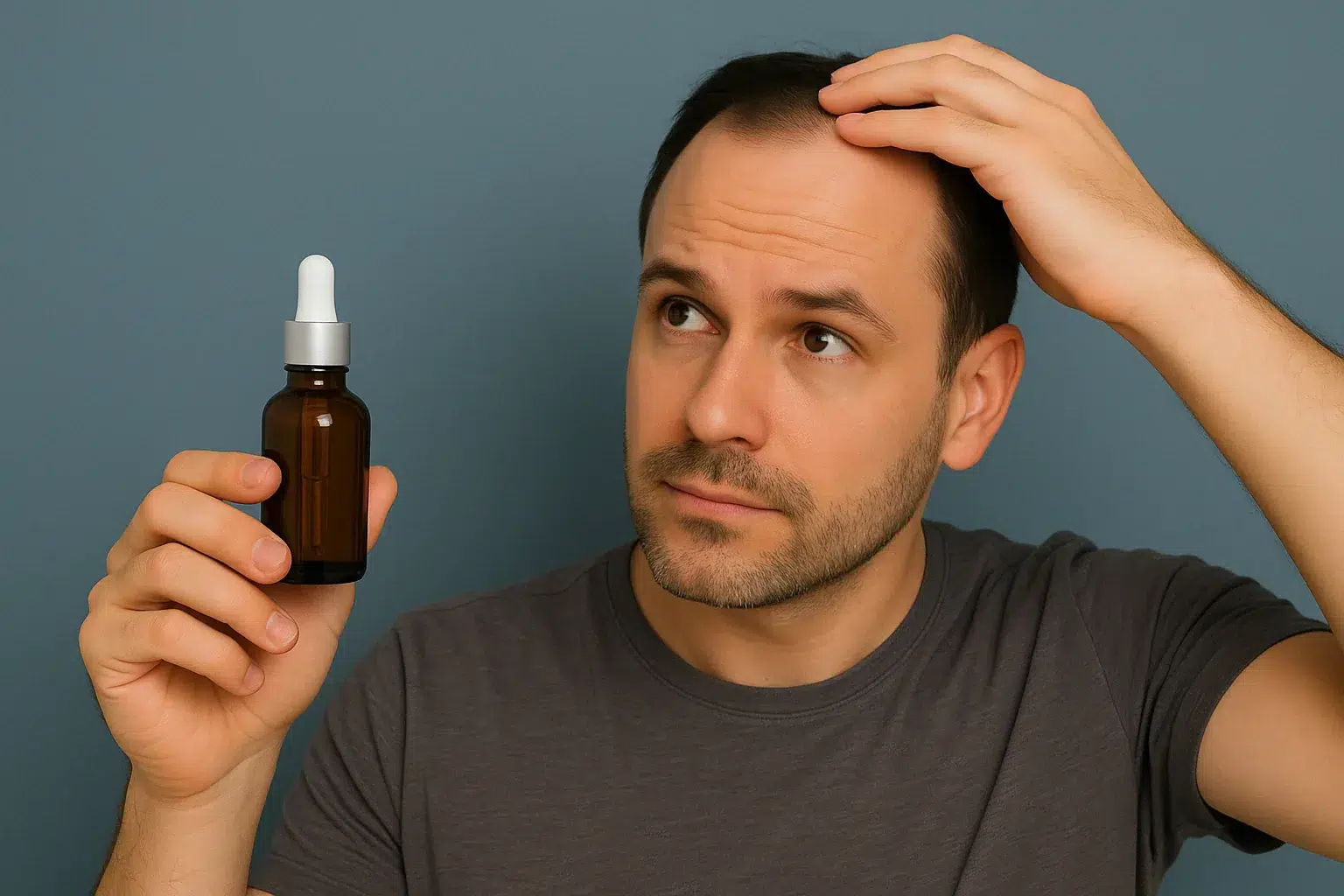
Hormonal imbalance cause hair loss is a common yet often overlooked condition that affects both women and men. While hair loss is frequently associated with genetics, hormonal imbalances play a crucial role in disrupting the natural hair growth cycle. Hormones directly influence hair follicles, and even minor imbalances can lead to noticeable shedding and thinning.
In this article, we answer the question does hormonal imbalance cause hair loss, explain which hormones are responsible, who is most at risk, and how this type of hair loss can be effectively treated.
What Is Hormonal Imbalance Hair Loss?
Hormonal imbalance hair loss occurs when changes in hormone levels interfere with the normal hair growth cycle. Hair follicles are highly sensitive to hormonal fluctuations, especially those related to androgens, thyroid hormones, estrogen, and stress hormones.
When these hormones are out of balance, the growth phase of the hair shortens, causing hair to enter the shedding phase earlier than normal. This can result in diffuse thinning or localized hair loss.
Which Hormones Cause Hair Loss?
Androgens (Testosterone and DHT)
One of the most common causes of hormonal imbalance hair loss is excess androgen activity. Testosterone converts into dihydrotestosterone (DHT), which shrinks hair follicles and weakens hair strands over time.
This mechanism is responsible for:
- Male pattern baldness
- Hormonal hair thinning in women
Thyroid Hormones
Both hypothyroidism and hyperthyroidism are strongly linked to hormonal imbalance hair loss. Thyroid hormones regulate metabolism and directly affect hair follicle activity.
Signs of thyroid-related hair loss include:
- Diffuse thinning
- Dry, brittle hair
- Hair loss in eyebrows and eyelashes
Estrogen and Progesterone
In women, hormonal imbalance hair loss is often related to fluctuations in estrogen levels. Post-pregnancy, menopause, and discontinuation of birth control pills are common triggers.
A drop in estrogen can push hair follicles into the resting phase, leading to sudden and excessive shedding.
Cortisol (Stress Hormone)
Chronic stress increases cortisol levels, which negatively affects hair growth. Elevated cortisol disrupts nutrient delivery to hair follicles and can significantly worsen hormonal imbalance hair loss.
Who Is More Prone to Hormonal Imbalance Hair Loss?
Hormonal imbalance hair loss is more common in individuals who have:
- Polycystic ovary syndrome (PCOS)
- Thyroid disorders
- Postpartum hormonal changes
- Menopause
- Chronic stress
- Hormonal medication use
In these cases, hair loss often appears alongside other systemic symptoms.
How Can You Tell If Hair Loss Is Hormonal?
Common signs of hormonal imbalance hair loss include:
- Sudden or excessive shedding
- Hair thinning at the crown or hairline
- Loss of hair volume
- Changes in menstrual cycle
- Weight fluctuations or fatigue
Blood tests measuring hormone levels are essential for an accurate diagnosis.
Can Hormonal Imbalance Hair Loss Be Treated?
Yes. Hormonal imbalance hair loss can often be controlled and improved with proper medical management.
Treatment options may include:
- Endocrinological evaluation
- Hormone-regulating therapies
- Medical hair loss treatments
- Lifestyle and nutritional adjustments
Once hormonal balance is restored, hair shedding typically decreases and regrowth may occur.
Is Hair Transplant Suitable for Hormonal Hair Loss?
Hair transplantation is not the first-line solution for hormonal imbalance hair loss. Hormonal issues must be stabilized before considering surgical options.
Without hormonal control:
- Existing hair may continue to shed
- Overall results may be compromised
A comprehensive medical evaluation is essential before planning a hair transplant.
Conclusion: Does Hormonal Imbalance Cause Hair Loss?
Yes, hormonal imbalance hair loss is a medically proven condition. Hormones play a vital role in hair growth, and imbalances can significantly disrupt the cycle. The good news is that with early diagnosis and appropriate treatment, this type of hair loss can often be managed successfully.
Hair loss should be viewed not only as a cosmetic concern but also as an important indicator of overall health. Consulting experienced medical professionals ensures the most effective and long-term results.
